28.04.2026
Transport electrification – Finland to participate in the change supported by the EU
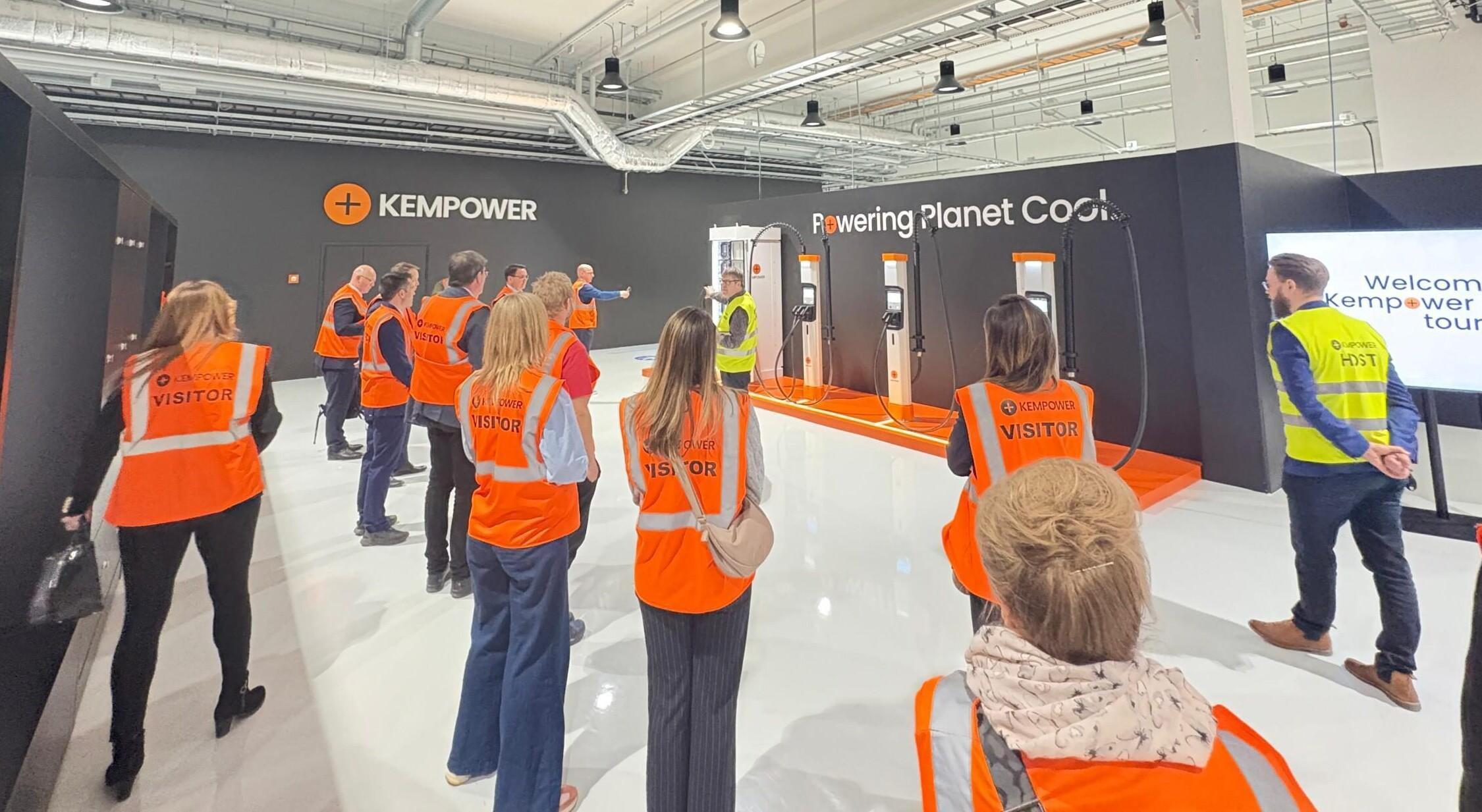
the Lahti Conference the Conference of Peripheral Maritime Regions of Europe (CPMR) the seminar of the Energy and Transport Working Groups focused on the electrification of regional energy and transport systems and its current state, challenges and development paths;
Aura Salla, MEP, who gave the keynote speech at the event, recalled that many European countries still depend on energy from Russia. The challenges of the electricity grid are therefore common across Europe.
– Renewable energy currently accounts for almost 50% of Europe's energy production, but the take-up rate of renewable energy varies greatly between European countries, Aura Salla said.
European solutions played a key role in the seminar. The speeches focused, among other things, on the European Network Package and the Energy Highways project.
The aim of the network package is to strengthen funding and speed up permitting processes for the development of the energy network. It includes measures to increase the resilience and security of the energy network in member states. The Energy Highways project aims to remove critical bottlenecks in Europe's energy infrastructure.
– It is not enough to strengthen the grids alone; zero-emission electricity production must also be developed locally. The North cannot function as an energy resource for the South alone. The most efficient way is to locate projects that require a lot of electricity close to production, thus avoiding transmission losses and reducing the need for new electricity lines. All energy projects must ensure local acceptability, said a member of the Baltic Sea Commission's Working Group on Energy and Climate Esa Aalto Member of the Regional Assembly of Oulu Region.
Regional examples of electrification projects in rail, air and maritime transport were presented at the seminar. E-air transport, on the other hand, was introduced by aircraft manufacturers. In particular, the presentations highlighted the role of maritime transport in promoting a clean transition. The new EU Ports Strategy also recognises the role of ports as nodes in the energy transition. However, the financial needs of European ports are increasing as they promote energy projects.
– Electrification does not depend on technology, but on how well different sectors work together. Ports play a key role in the energy transition and Finland needs to be able to make decisions quickly so that investments do not run away, said a member of the CPMR Baltic Sea Commission's Transport Working Group. Juha Koskela Regional Assembly of Oulu Region.