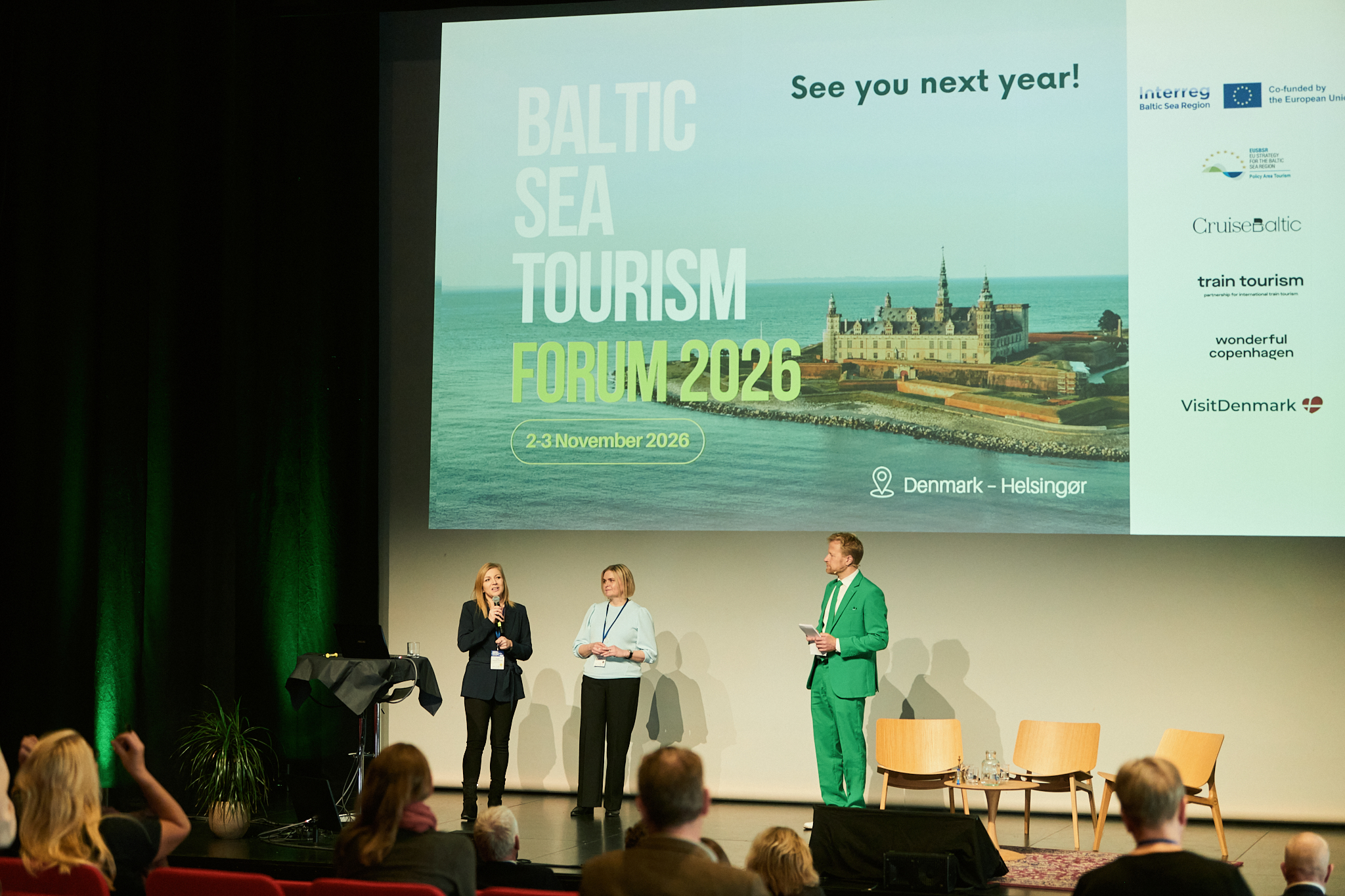
Since 2022, the Regional Council of Northern Ostrobothnia has been the coordinator of the EU Strategy for the Baltic Sea Region (EUSBSR) Policy Area Tourism together with the Polish Pomorskie Tourist Board. One of the most visible annual events of the cooperation is the Baltic Sea Tourism Forum, which brings together tourism organisations, regions, companies, experts and other tourism operators from all over the Baltic Sea region. The Baltic Sea Tourism Forum 2026 took place on 2-3 November in Helsinki, Denmark, bringing together 136 participants from the Baltic Sea region. This year, discussions focused on promoting more sustainable choices for tourists, developing cross-border rail travel, spreading the benefits of cruise tourism beyond major port cities and the future of tourism. From sustainability goals to practical choices One of the Forum's key issues was how to achieve sustainability goals...
Pojois-Pohjanmaa | Regional Assembly of Oulu region
On 4 November 2026, the European Commission published its work programme for 2027. The programme emphasises European competitiveness, strategic self-sufficiency, security and territorial cohesion. From the perspective of Northern Ostrobothnia, strengthening the vitality of the regions, preparing for the upcoming EU funding period, the potential of clean energy and critical raw materials, and overall security are particularly important. The work programme includes 23 key initiatives and 10 regulatory simplification actions. The Commission aims to strengthen Europe’s competitiveness, reduce strategic dependencies and streamline investment. Five key lifts for Northern Ostrobothnia 1. The Right to Stay Strategy, planned to be published in early 2027, highlights the potential of people to live, work and build their future in their own region. Key issues for Northern Ostrobothnia include the availability of skilled labour, the power of retaining young people, the accessibility of services...
Pojois-Pohjanmaa | Regional Assembly of Oulu region
They strengthen people's inclusion, well-being and safety. They provide encounters, peer support and professional assistance, as well as opportunities to influence one's own life and society. Especially now that the population is ageing, young people's belief in the future is at an all-time low and regional disparities are growing, the importance of local communities is emphasised. However, the operating conditions of the organisations are further weakened. In the results of the provincial survey conducted in September, financial uncertainty became the main concern of organisations. Changes in volunteering and the lack of suitable premises also make it difficult to do so. The pressure is further exacerbated by national cuts in discretionary government transfers. Uncertainty and simultaneous changes in the operating environment complicate the long-term work of organisations and reduce the opportunities for people to participate. The Council of Associations of Northern Ostrobothnia points out that participation is not only an individual's experience and an addition to well-being. It is also one of the...
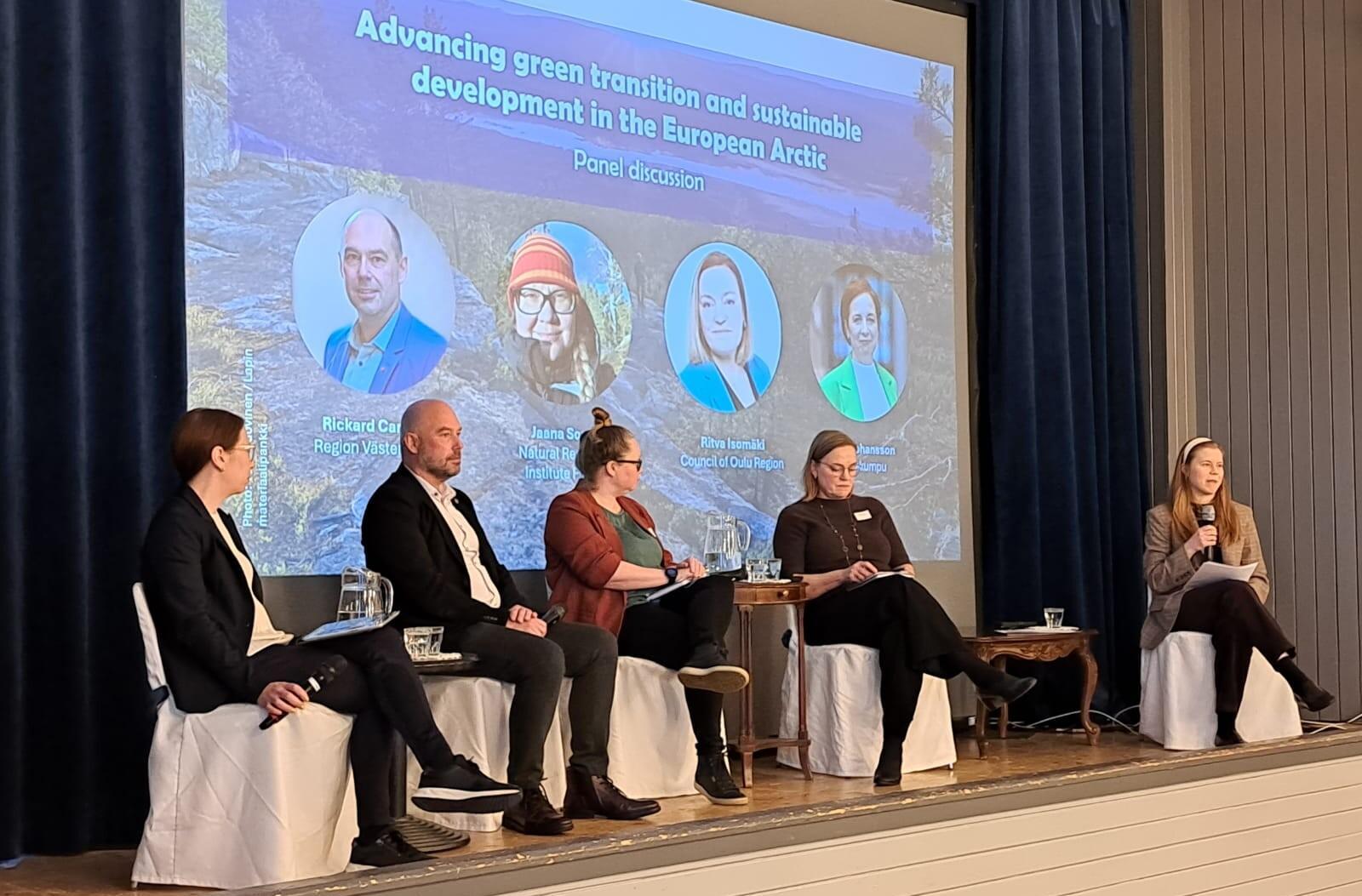
Figure: NSPA Forum panel discussion ongoing, from left: Kirsi Johansson Outokummulta, Head of Environmental and Biodiversity Projects, Regional Counsellor, Rickard Carstedt from Västerbotten region, Docent Jaana Sorvali from Natural Resources Institute Finland and Ritva Isomäki, Environmental and Natural Resources Manager from the Regional Council of Northern Ostrobothnia. The discussion was led by Tiina Paakkari, Senior Specialist at the EU Office for Eastern and Northern Finland, and the Northern Sparsely Populated Areas (NSPA) platform brought together experts from Finland, Sweden and Norway on regional development, EU influence and Arctic cooperation in Tornio on 29-30 October. The key message of the Forum was clear: The vitality, competitiveness and security of Europe's northern regions is a strategic issue for Europe as a whole that must be taken into account in future EU financial and regulatory solutions. The two-day forum covered topics such as the EU Arctic Strategy, the future...
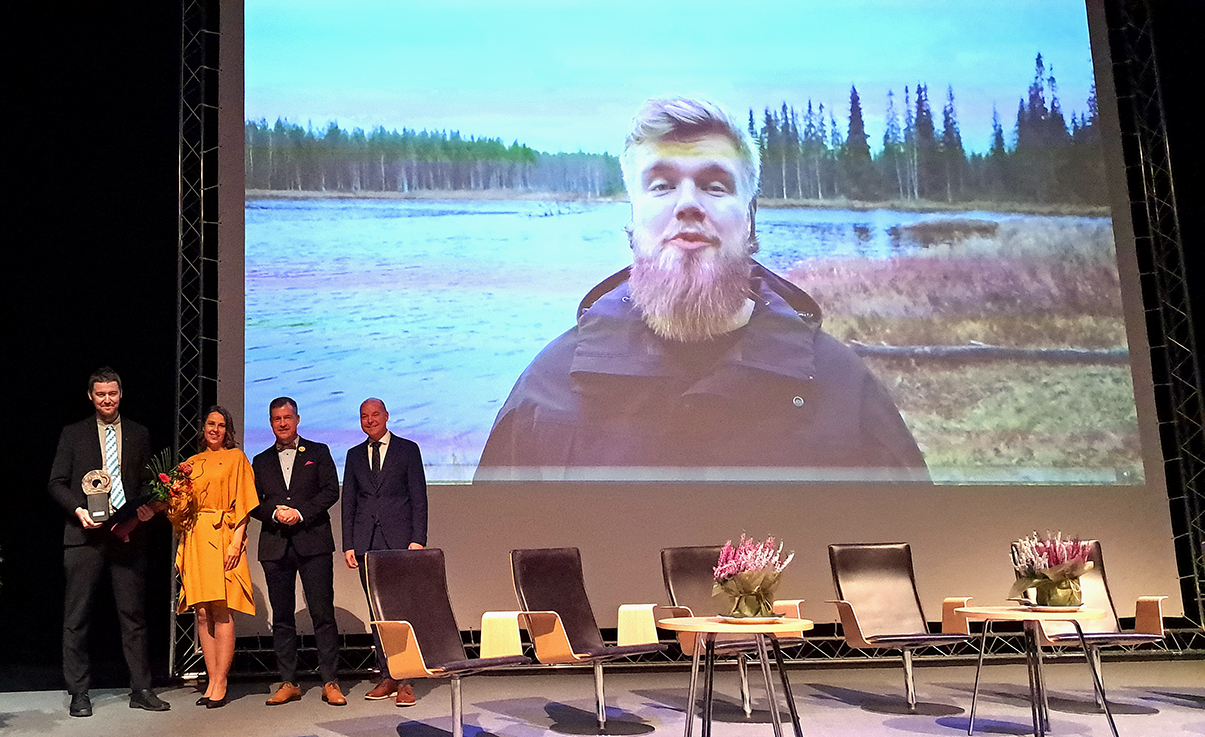
The Northern Ostrobothnia Prize 2026 has been awarded to Aatu Turpeinen, a content producer and entrepreneur from Taivalkoski. The founder of RebelWerks has made Northern Ostrobothnia known by combining craftsmanship, entrepreneurship and digital content production. Turpeinen has built a nationwide audience from Taivalkoski. In August 2026, the RebelWerks channel, which focuses on cars, machines, construction and repairs, had around 260,000 YouTube subscribers and more than 200,000 TikTok followers. At the 2025 Tubecon Awards, RebelWerks was awarded both as an influencer of the year and as an audience favourite. With the award, the Regional Council of Northern Ostrobothnia wants to highlight the example of a young entrepreneur that nationally successful creative business can be built from a small locality. Turpeinen's videos show mechanical know-how, repair, ingenuity and the culture of doing things yourself. At the same time, Taivalkoski, Koillismaa and Northern Ostrobothnia will...
Pojois-Pohjanmaa | Regional Assembly of Oulu region
The Visibility of the Region column of the newsletter of the Regional Council of Northern Ostrobothnia publishes articles on the life, phenomena and future of Northern Ostrobothnia. Send your text or suggest a topic to viestinta@pohjois-pohjanmaa.fi. Enter your name, role and organisation as the title of the message. The newsletter editorial board selects the articles to be published.
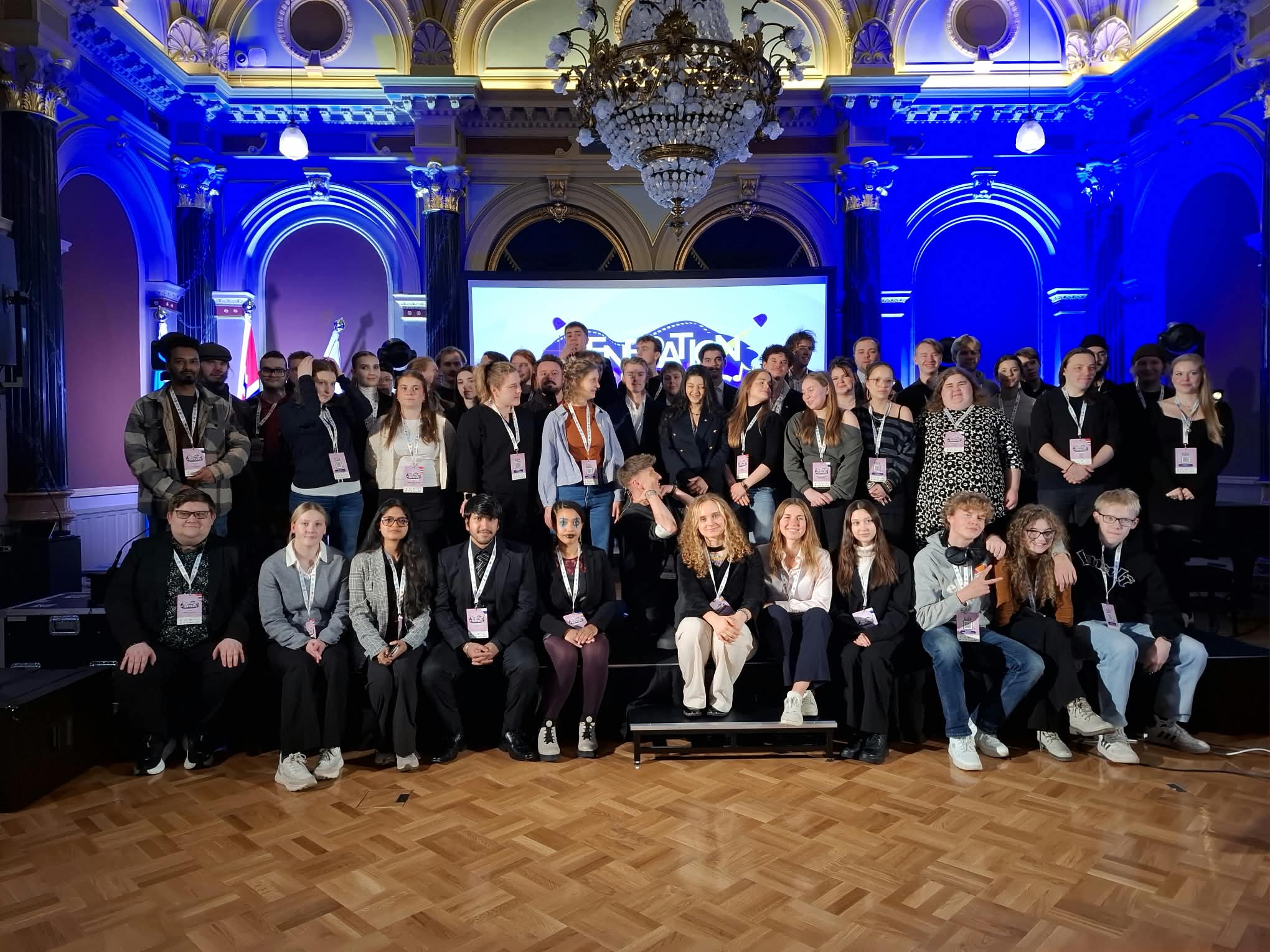
At the end of October, Generation Barents 2026 in Oulu brought together more than 80 young people from Northern Finland, Northern Sweden and Northern Norway. The aim of the two-day event was to gather young people's views on the future of cooperation in the northern region and to strengthen the voice of young people in regional and international decision-making. At the end of the event, young people adopted a joint declaration setting out the key objectives for the development and continuity of northern youth cooperation. The young people's message to decision-makers is clear: the common challenges and opportunities of the northern regions require close cooperation across national borders. It calls for all young people to have equal opportunities to participate in international cooperation, regardless of their place of residence, financial situation or background organisations. Young people call for genuine influence in decision-making. According to them, young people's views should be taken into account in the development of regions, and young people...
In Northern Ostrobothnia, the food economy strategy is currently being updated, and now we invite you to join us in building a shared vision for the future of the sector. The food economy is an important industry for the region, and its development can strengthen the region's competitiveness, profitability, security of supply, sustainability and vitality. The aim of the strategy work is to identify the most important development needs and measures for the coming years to strengthen the functioning of the entire food system from primary production to processing and from distribution to consumers. The regional strategy update will be linked to the objectives of the National Food Strategy (2040). - As part of the preparation of the strategy, a survey will be carried out to gather views on food economy priorities, objectives and measures for the development of the food system. The preliminary themes and proposed actions presented in the survey are based on previous operator interviews and workshops, to which you now have the opportunity to submit comments and new views...
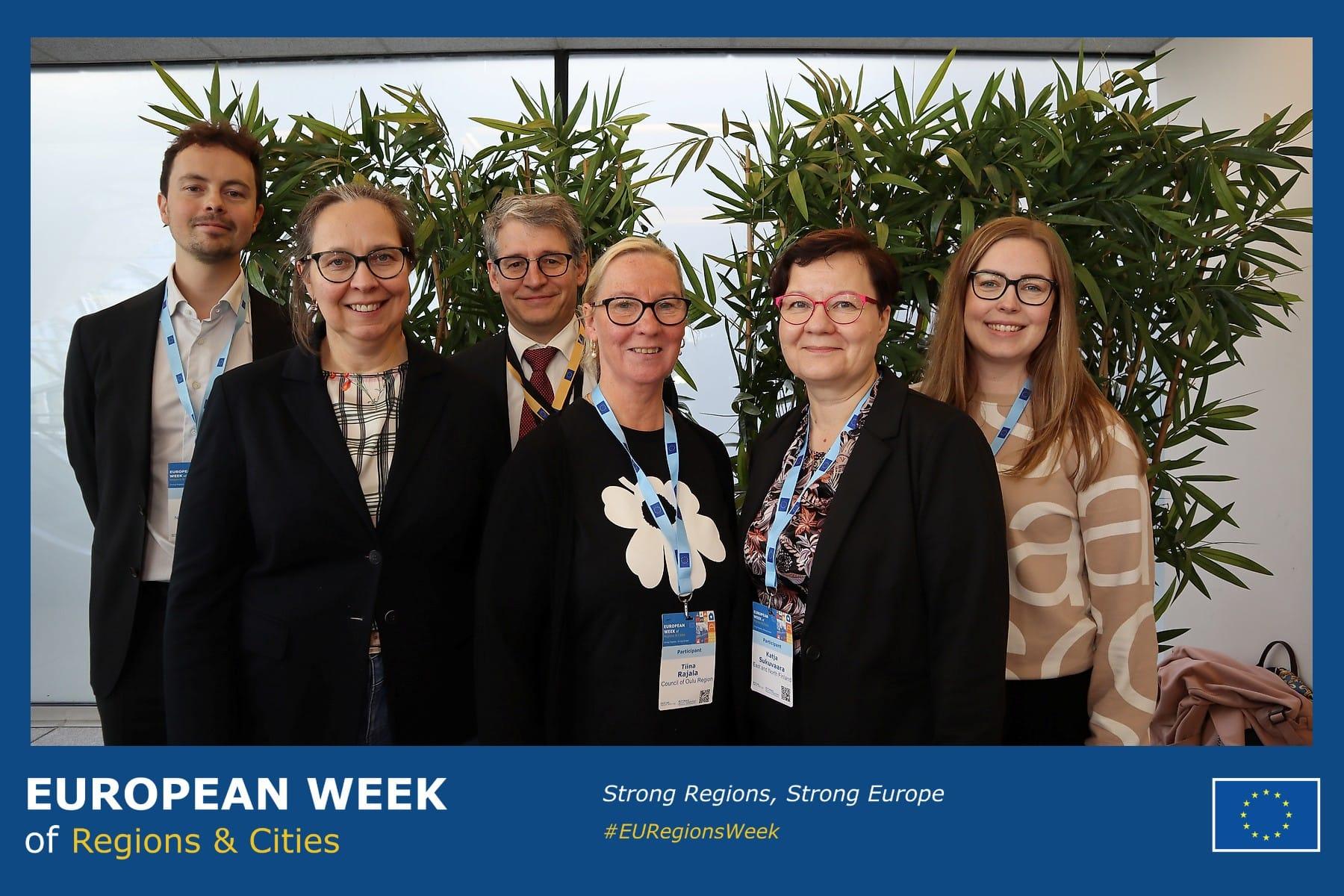
Photo: Max Englund from left, Senior Adviser in European Affairs, North Sweden European Office, Hanna Honkamäkilä, Secretary General of NRPP Preparation for Eastern and Northern Finland, Dr Jorge Núñez Ferrer, Director for Cohesion Policy and EU Budget, CPMR, Tiina Rajala, Development Director, Katja Sukuvaara, Head of International Affairs and Laura Kelhä, Regional Development Manager at the Regional Council of Northern Ostrobothnia. Representatives of the Regional Council of Northern Ostrobothnia participated in the European Week of Regions and Cities 2026 in Brussels on 12-14 October. Organised by the European Commission's Directorate-General for Regional and Urban Policy and the European Committee of the Regions, the event is Europe's largest annual event on regional and urban policy. This year's theme was strong regions, a strong Europe. The key message of the event was that strong regions are the whole of Europe...
The European Commission has published updated Horizon Europe work programmes, which open up funding opportunities for 2026-27. On 29 September, the Commission announced an additional EUR 500 million for the last years of the programme. Funding will be allocated through two application programmes: Transformative Change Towards a Nature-Positive Economy and Society (with a budget of EUR 237 million) Transitional measures (Bridging Actions 2027 with a budget of EUR 260 million) The updated work programmes direct funding towards areas such as industry, climate and energy solutions, mobility, the bioeconomy, digital technologies and the development of innovation ecosystems. In addition, the EU wants to streamline the transition between the current and future funding periods (MFF 2028-2024), moving to the EU’s 10th Framework Programme for Research and Innovation (FP10). The objective of the work programmes...