
14.03.2024
Provincial government approves implementation plan for security of supply and overall safety
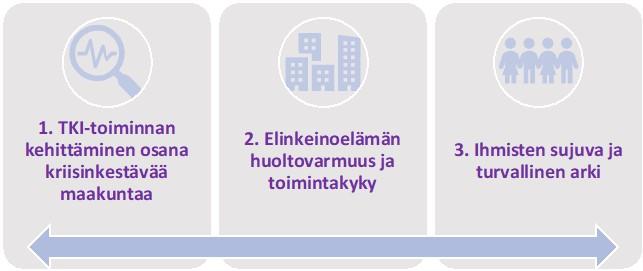
At its meeting on 11 March 2024, the Board of the Regional Council of North Ostrobothnia approved the implementation plan for the security of supply and comprehensive security of North Ostrobothnia for 2024-2025. Safety and security of supply have become a new issue from the point of view of the vitality of the regions. The changed geopolitics and security situation require consideration of issues related to security of supply and overall security of supply.
The priorities of the Northern Ostrobothnia Regional Programme include interfaces for overall safety and security of supply. The implementation plan will clarify the means and instruments of regional development. There are three main elements in the plan. They focus on the development of RDI activities, the development of business and industry sectors, as well as people's smooth everyday life and everyday safety.
The challenge in developing and training competence related to overall safety is the identification of competence. The county must promote means and opportunities for identifying and sharing know-how. The region also promotes the participation of companies outside the central region in innovation networks, where this is possible within the framework of regional industry structures.
The region's business and industry sectors must be proactively linked to the rapid change in operating environments and to ensuring security of supply and operational capacity. The county must ensure that the conditions for exporting business operations are met.
The functional capacity of the population and a sense of security can be maintained by promoting inclusion and a sense of community. The aim is to enable citizens to train in matters essential to overall safety, such as first aid, preparedness, coping and safety skills. Information relating to overall safety and security of supply shall be easily accessible and accessible. Promoting citizens’ digital skills strengthens the resilience of the population and its capacity and ability to recognise hybrid influencing. The actors in the area cooperate actively in the interfaces to support the physical and mental health of the residents.