19.10.2022
Markus Erkkilä in the October newsletter: The driver's seat or a ride?
The regional plan for the energy and climate phase, which is being prepared in the Regional Assembly of Northern Ostrobothnia, is a good example of the work being carried out in the Regional Assemblys, and at first glance the plan may look very strategic and long-term. As a conclusion, one can understandably wake up to the idea that this is not about me. But the truth is another: the choices made in the plan, especially in cooperation in cooperation with regard to wind power and energy transmission, create a solid basis for the development of the region and will be visible directly or indirectly in the everyday life of every person in Northern Ostrobothnia.
The regional plan creates the preconditions for development well into the future. The need to renew the plan stems from the county's own needs, expectations and choices, as well as from national and international decisions. The cross-cutting theme of these decisions is climate change mitigation and adaptation.
The global political situation also guides us towards an even more self-sufficient, secure and fossil-free society. National goals and regional strategies, most importantly the new regional programme, serve as the starting points for planning work. The regional programme is more goal-oriented and effective than before, highlighting climate issues, the energy transition and the green and digital transitions.
The importance of wind power is emphasised by the themes of the plan. As Finland's leading producer of wind power, Northern Ostrobothnia plays a huge role in implementing the energy transition nationally. In addition to onshore wind power, the focus of development is increasingly shifting to marine areas. The energy transition requires new solutions for energy production, storage and transmission. In addition to wind power, solutions for solar power, hydrogen economy and energy storage are increasingly emphasised in project development. Not forgetting the plan situation that enables a nuclear power plant in Hanhikivi.
In reconciling different needs, maintaining a good living environment and preventing adverse impacts, data-generating surveys and an interactive approach to preparation are central. During the presentation of the draft plan, the draftsmen have been present in the planning cafés and events organised by the organisations that can be found all over the region. You can also find a streamed pattern presentation on our website. We received a lot of comments and reminders about the draft phase. Thank you for each of them, we will take a close look at them! Significant investments are also made in participation and interaction as the planning process continues.
The technical feasibility of wind power construction, on the one hand, and social acceptability, on the other, are increasingly linked to the need to strengthen electricity transmission. The construction of the wind power plant is based on an agreement between the developer and the landowner. In the case of electricity transmission, the situation is different. At present, the Redemption Act does not function as a tailboard in an appropriate manner. This requires action on several fronts. For project developers, this means more active use of market-based models for contracts and compensations for electricity transmission lines. Municipalities must make more bold use of the control measures enabled by the plan monopoly.
The regional plan guides the supranational positioning of projects, the electricity transmission system as a whole, and urges the use of the same management corridors and poles. The next government must address the reform of the Redemption Act or the development of special legislation governing the framework conditions for wind power construction.
Even in cooperation in cooperation with the energy transition, the future doesn't just happen, it's done. As the pace progresses, it's good to have the notes in order. Decades of solutions emphasise patience and the courage to make holistic planning at all levels. The county and its stakeholders should stay in the driver's seat during these fast-paced times.
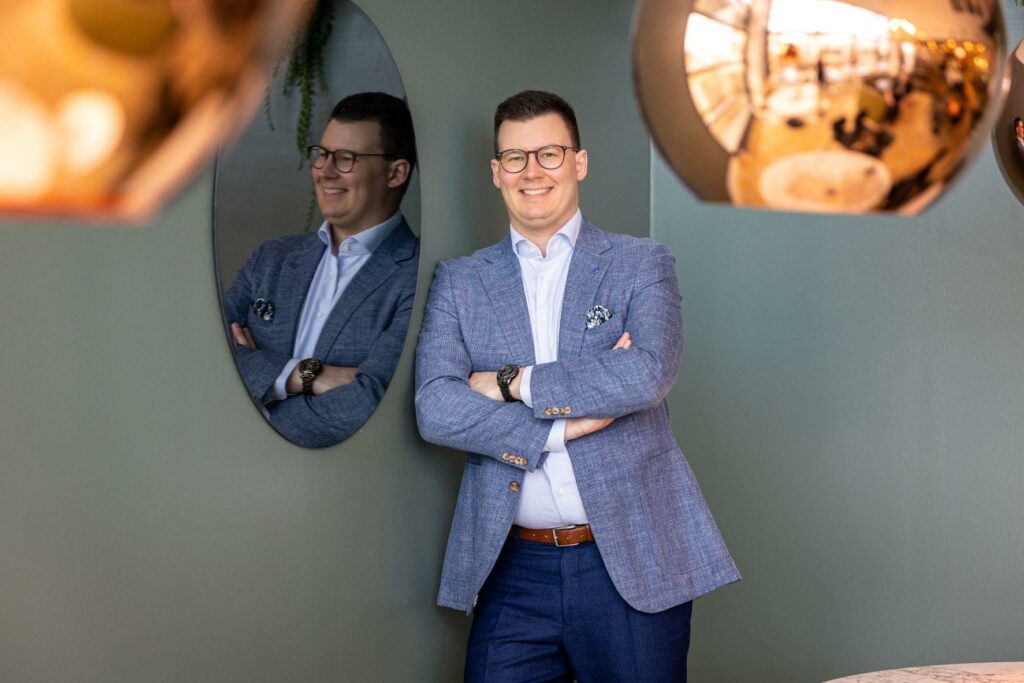
Markus Erkkilä, Head of Planning, Regional Assembly of Oulu Region
—
The article has been published in the October newsletter of Northern Ostrobothnia, which also describes the Regional Parliament 2023, the Wellbeing Forum in Pyhäjärvi in November, the state of play of the ERDF application scoring, the announcement of the dismissal of the Regional Director Pauli Harju and the progress of the integration plan of the Regional Regional Youth Regional Assembly.
Read the October newsletter of the Regional Assembly of Oulu Region here.