Generic selectors
Exact matches only
Search in title
Search in content
Post Type Selectors
Search in posts
Search in pages
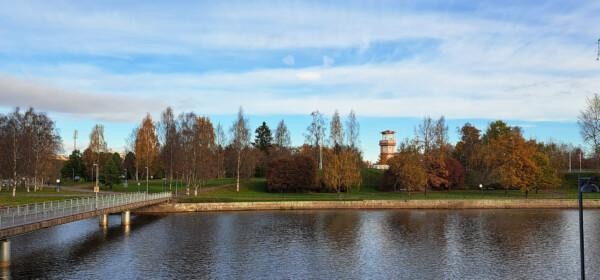
The letters OULU in pink in front of Tuira, each decorated in honour of the summer and the year of the Capital of Culture.

news

04.06.2021

Blog: Digital support strengthens the well-being of young people

Digitalisaation vaikutukset yhteiskunnassa koskettavat kaikkia ikäluokkia. Digituella jokaisen digitaidoista pyritään vahvistamaan yksilön arjen kannalta riittäviä niin, että yhteiskunnan toiminnassa mukana pysyminen, asioiden hoitaminen ja sähköisten palveluiden käyttäminen on mahdollista. Digituella voidaan vahvistaa osallisuutta, tasa-arvoa ja yhdenvertaisuutta, tämä on tärkeää kaikissa ikäryhmissä.

Nuorten digitaidoista puhuttaessa nousee kuitenkin nopeasti esille käsite diginatiivi. Käsitteen keksi yhdysvaltalainen kirjailija Mark Prensky vuonna 2001. Hän kuvasi uudissanalla sukupolvea, joka ei ole kokenut aikaa ennen internetiä ja mobiililaitteita. Prenskyn tarkoitus ei ollut kuitenkaan kuvata sitä, kuinka hyvin digitalisaation aikakaudella kasvaneet nuoret käyttävät sähköisiä palveluita. (Vallinkoski, 2017.) Arkipuheessa diginatiivi -käsite on kuitenkin alkanut hiljalleen yleistyä ja sen sisällöllinen merkitys muuttua.

Erehdymme helposti luulemaan, että digitalisaation aikakaudella kasvaneet nuoret käyttävät sujuvasti ja suvereenisti kaikkia sähköisiä palveluita. Diginatiivista on siis muodostunut käsitteenä synonyymi nuorelle henkilölle, joka hallitsee kaiken digiin liittyvän. Tämä on kuitenkin eräänlainen ajatusharha, jota on syytä hieman ravistella – etenkin silloin, kun se saa meidät luulemaan, etteivät nuoret tarvitse digitukea.

Vaikka yksilöiden välistä vaihtelua digitaidoissa tapahtuu myös nuorten ikäryhmässä, on nuorten digituelle olemassa selkeä tarve. Valtakunnallisen digitaitokartoituksen mukaan nuoret tarvitsevat tukea erityisesti sähköisten viranomaispalveluiden parissa asioidessaan. Viimeisin nuorisobarometri tukee tätä tutkimustulosta: barometrin mukaan noin 12 % nuorista kokee sähköiset palvelut haasteelliseksi löytää ja 10 % oli sitä mieltä, etteivät palvelut ole saatavissa silloin, kun niitä eniten tarvitsisi.

Lisäksi täytyy huomioida, että syy palveluiden käyttämättömyydelle voi olla myös taloudellisissa rakenteissa ja sosioekonomisessa asemassa, esimerkiksi vähävaraisten perheiden nuorilla ei välttämättä ole varaa ostaa ja ylläpitää tarvittavia laitteita ja näin ollen käyttää tarvittavia palveluita.

Nuoret siis toivovat digipalveluihin saavutettavuutta, selkeyttä ja ohjeistusta – kuka heitä sitten ohjaisi?

Digituen kehittäjille nuorten näkemykset ovat kullanarvoista tietoa. Meidän tehtävämme on tarjota nuorille saavutettavaa, matalan kynnyksen digitukea sekä ajantasaista ja luotettavaa tietoa. Digituen kehittämistyössä nuorten tarpeet on kuultu ja heidät halutaan tavoittaa digituen äärelle. Eri toimijoiden yhteistyöllä varmistetaan digituen saatavuus jokaiselle nuorelle.

Yksi ajankohtainen esimerkki valtakunnallisen digituen kehitystyön panoksesta nuorten kohderyhmälle on valtakunnallisella ja maakunnallisella tasolla, kesäkuussa 2021 toteutettava nuorten digituen mediakampanja, joka on suunnattu 12-25-vuotiaille nuorille. Kampanjan tarkoituksena on tehokasta ja nuorille suunnattua viestintää hyödyntäen tavoittaa mahdollisimman moni digitukea tarvitseva nuori tuen äärelle ja sanoittaa tärkeä viesti – digituen pyytäminen ei ole noloa! Päin vastoin, se on jokaisen nuoren oikeus.

Digituen tarjoaminen nuorille ei ratkaise ainoastaan akuuttia palvelutason ongelmaa, vaan sen avulla pyritään lisäämään digihyvinvointia. Digihyvinvointia lisäämällä vahvistetaan nuorten osallisuutta ja tasavertaisuutta sekä ehkäistään digisyrjäytymistä.

Digituella on siis merkittävä osuus hyvinvointityössä ja sen kehityksessä. Mediakampanja on yksi keino, jolla voimme viestiä ja tehdä digitukea tunnetuksi nuorille. Kampanjaan osallistumalla eri palveluntarjoajat voivat olla mukana levittämässä tärkeää viestiä ja näin ollen kehittämässä yhdenvertaisempaa ja tasa-arvoisempaa yhteiskuntaa nuorille.

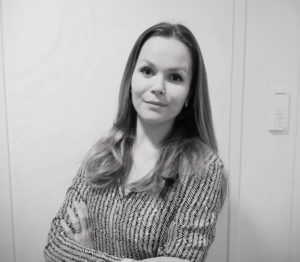
Veera Melander
projektisuunnittelija, Northern Ostrobothnia Digital Support project
Regional Assembly of Oulu Region

Lähteet:

Helsingin Yliopisto, Viitattu 26.4.21

VM & DVV – Digitaitokartoitus

Nuorisobarometri 2020

Related articles

22.08.2023
The well-being of the residents of Northern Ostrobothnia is taken care of in a digitalised society

Digitalisation is already affecting almost every aspect of life, and several functions related to everyday life have become digitalised. Digitalisation brings several benefits and makes life smoother, but it also sets requirements for sufficient digital competence. As digitalisation progresses, it is particularly important to ensure that everyone has the opportunity to learn digital skills and equal conditions to use digital devices, services and environments to support their own lives as they wish. As the development of digitalisation progresses, it is worth considering what kinds of digital services, environments and usage habits increase well-being and which factors related to digital in turn weaken well-being. The Northern Ostrobothnia digital well-being and participation development project, which ended at the end of July 2023, has aimed to promote digital well-being, especially taking into account the municipality-based perspective. The project has been based on the objectives of the Regional Programme 2022-2025, and during the project the objectives and partnership promise related to the digital capabilities of the Northern Ostrobothnia Welfare Agreement 2019-2025 have been promoted, to which the Regional Council of Northern Ostrobothnia has committed together with the municipalities of the region. The aim of the project has been to study the state and development targets of the region's digital well-being and participation, to plan operating models that promote digital well-being together with municipal actors, and to coordinate the activities of the North Ostrobothnia digital well-being network. The project's activities have been a natural continuation of previous work related to the development of digital support in the Regional Council of Northern Ostrobothnia, which has been carried out in a multi-actor manner on different interfaces since 2018. The project has collected information on the needs, strengths and development areas related to digital well-being of different target groups. The collected data will be used in the implementation of the objectives of the regional programme and in the work of various actors in Northern Ostrobothnia to promote digital well-being. As far as families with children are concerned, it becomes clear that the challenges relate, among other things, to the time spent on digital devices. What is the appropriate amount to be on digital devices so that it does not have a negative impact on the well-being of the family? Excessive use of digital devices and incorrect content may have an impact on increasing insomnia, restlessness, presence and face-to-face interactions, so that social relationships suffer. Parents have a responsibility to assess what kind of digital devices and environments support the child's growth, development and well-being. The parents' high screen time has been found to have an impact on the child's abundant use of digital devices, and the child's abundant use of digital devices for entertainment purposes is known to predict lower school success. Parents' digital and media skills affect how they can ensure that the child's digital and media use is …

22.10.2020
Development of digital support continues in Northern Ostrobothnia

Digital skills are civic skills, and taking care of them is a matter for the whole of Finland. The Regional Council of Northern Ostrobothnia will continue the regional coordination of digital support in the Northern Ostrobothnia Digital Support project with further funding from the Ministry of Finance. In 2020, a total of 14 regional projects were granted state aid for the regional coordination of digital support, of which 11 are follow-on projects and three are new projects. The state aid was granted by the Ministry of Finance. The Digital and Population Data Services Agency takes care of the national coordination of digital support and also guides the work of the regional councils. – Digital support belongs to everyone and we are looking forward to further developing it in our own province. It is also a pleasure to involve new regions in the digital support cooperation, says Maria Puotiniemi and Heidi Niemelä of the Northern Ostrobothnia digital support project. The organisation of digital support contributes to ensuring that all citizens have sufficient digital skills and the opportunity to use the services of the authorities equally in Finland. The projects of the Regional Councils bring together the organisers of digital support into regional networks and help to further develop digital support. – According to a recent digital skills survey, we Finns are a digitally skilled people, but there is also a clear need for digitisation. Digital support is available, but not everyone can find it. The aim of the government grant projects for digital support is, among other things, to map the provision of digital support and promote discoverability, says Project Manager Minna Piirainen from the Digital and Population Data Services Agency. The Digital and Population Data Services Agency supports the activities of the digital support networks assembled by the regional councils and acts as an advocate for digital support. The task of the counties is to steer the network of digital support actors in the region, increase the awareness of digital support and develop the availability of support. – When numerous organisations, municipalities, authorities and companies join forces with the help of provincial federations, digital support providers become a force for change, which plays a key role in the development of a smooth Finland, Piirainen continues. Research has also shown that digital skills have an impact on people's well-being and health. The better the digital skills the residents have, the better they are able to make versatile use of digital services and devices to support their well-being. Deficient digital skills, in turn, increase the risk of digital exclusion, which is known to have a negative impact on human well-being and health. – In Northern Ostrobothnia, there is strong cooperation with the provincial actors involved in the promotion of well-being and health, so that all the residents of the province have equal opportunities to take advantage of the opportunities brought about by digitalisation, Maria Puotiniemi and Heidi Niemelä say. Further information: Maria Puotiniemi, Digital Support Project for Northern Ostrobothnia, tel. +358 40 685 4049, maria.puotiniemi@pohjois-pohjanmaa.fi Heidi Niemelä, Digital Support Project for Northern Ostrobothnia, tel. +358 40 685 4047, heidi.niemela@pohjois-pohjanmaa.fi Project Manager…