In its last meeting of the spring season, the Regional Assembly of Oulu Region discussed an important theme, i.e. the future role of Regional Assemblys as employers and employers. In the region, tough issues include securing a skilled workforce in different sectors and all over the region, strengthening the level of education and competence, responding to the pressures of change in working life and enabling everyone to participate. Regional Assemblys have an important role to play in all of this, even stronger in the future. So, the weight of Regional Assemblys is increasing, but on the other hand, societal pressures for change also challenge Regional Assemblys to develop their operations. The share of paid work and professional activities in Regional Assemblys has risen considerably, especially since the mid-1990s. The social status of Regional Assemblys changed due to their new role as public sector partners in service production. According to University Lecturer Petri Ruuskanen, who works at the University of Jyväskylä, the trend continues and…
Pojois-Pohjanmaa | Regional Assembly of Oulu region
The impact of digitalisation on society affects all age groups. in cooperation with digital support, the aim is to strengthen everyone's digital skills sufficient for the everyday life of the individual so that it is possible to stay involved in society, take care of things and use electronic services. Digital support can strengthen Participation and Inclusion, equality and non-discrimination, this is important for all age groups. However, when talking about young people's digital skills, the concept of a digital native quickly emerges. The term was coined by American author Mark Prensky in 2001. He described a new generation of people who haven't experienced the time before the internet and mobile devices. However, Prensky did not intend to describe how well young people who grew up in the digital age use electronic services. (Vallinkoski, 2017.) In everyday speech, however, the concept of "digital native" has slowly become more common and its content …
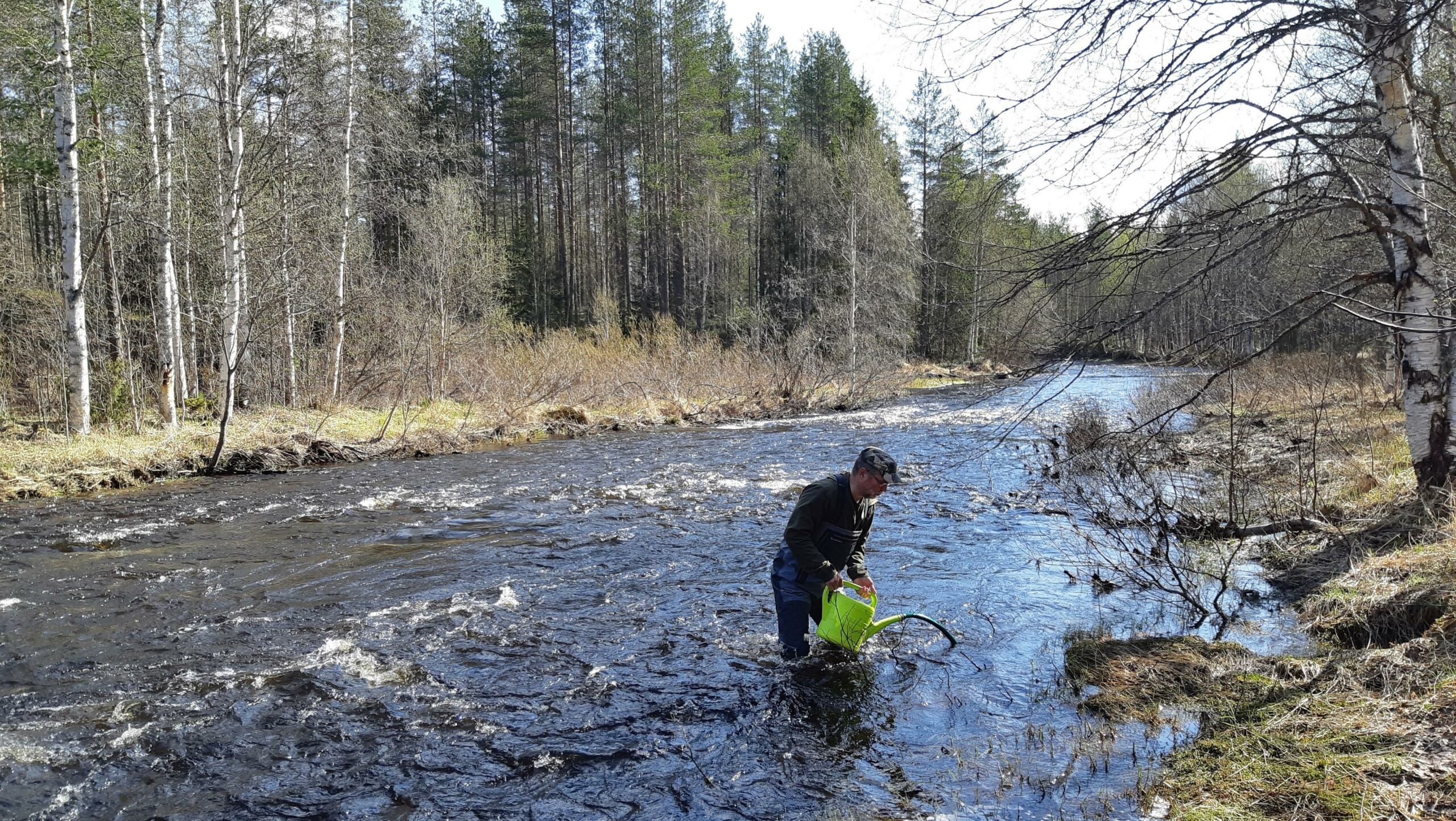
At the beginning of June, 460,000 freshly hatched juveniles of Atlantic salmon and 60,000 sea trout will be planted in the river Iijoki and its tributaries. Restocking supports the creation of salmonid stocks stigmatised in the river. The fish that are now being planted will start to migrate in smolts in cooperation within a few years, when they can be monitored in studies carried out in Haapakoski. ‘We plant trout in the Loukusanjoki and Pärjänjoki rivers, salmon in the main stream of the Iijoki river and in the Livojoki river. At the end of the summer, our experimental fish will be planted," says Eero Hartikainen, wilderness planner at Metsähallitus. The young were purchased from the Natural Resources Institute Finland and they are planted by Metsähallitus. The plantings now being carried out are expected to produce several thousand smolts. Mirko Laakkonen, Project Manager of the Iijoki Migratory Fish Project 2020-2022, from the Regional Assembly of Oulu Region, says: “The planting rates of youngsters are expected to increase in the coming years, while dam bypass solutions are advancing at the bottom of the river. Planting small juveniles is part of the Iijoki migratory fish project…
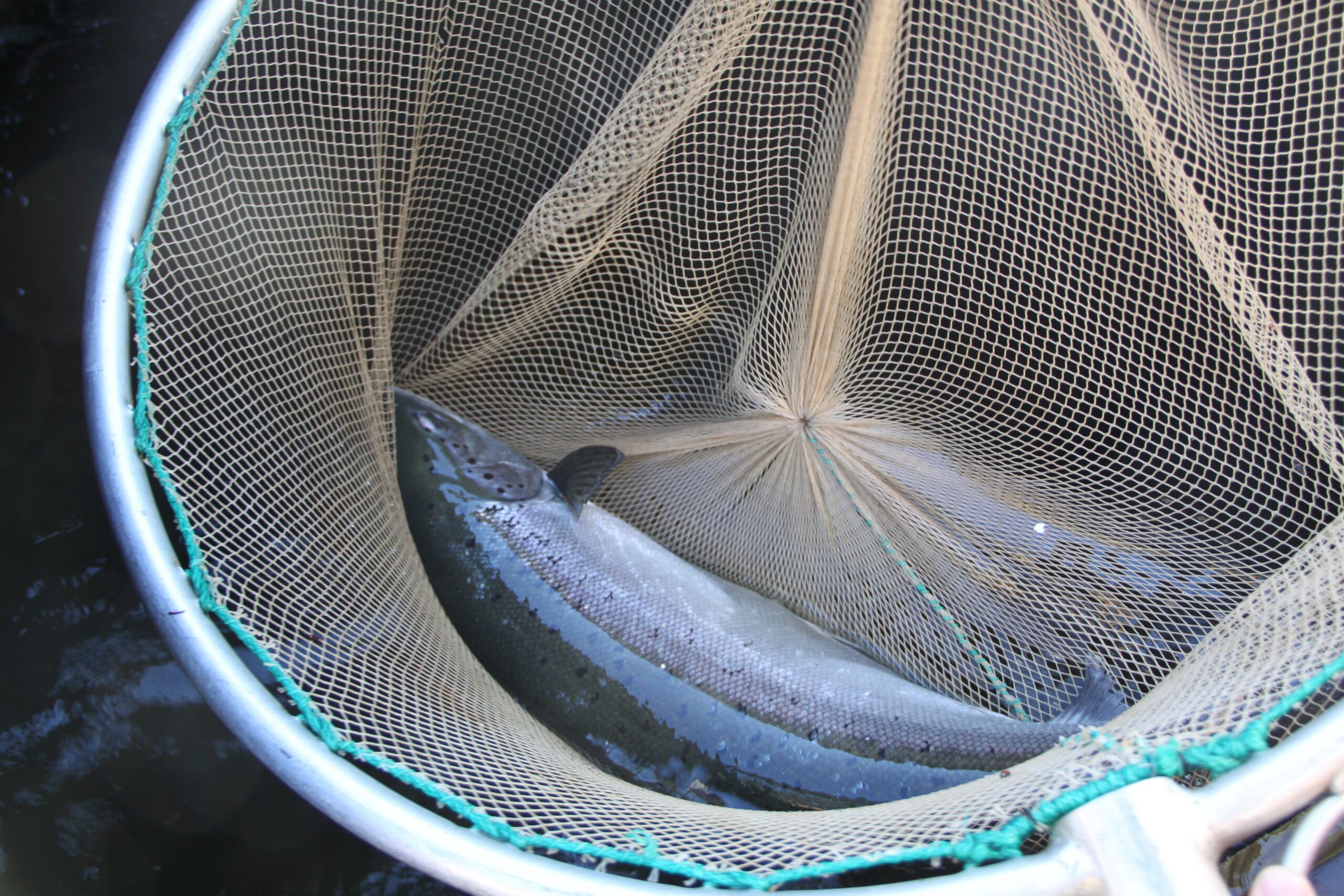
Atlantic salmon and trout will be transferred to the Iijoki and Livojoki rivers during the summer of 2021. Over-transfers support the emergence of salmonid stocks stigmatised in the river. The offspring of the transferred fish will migrate in smolts in a few years' time, when they can be followed in studies in Haapakoski. Commercial fishermen catch salmon and trout from the estuary. The fish are transported in water tanks by car to waters above power plants. Fish are handled as gently as possible and avoid stress. Transfers are interrupted when the water temperature rises to 17 degrees. ‘The purpose is to transfer a maximum of 200 salmon or trout. The aim is to carry out the transfers during June and, if necessary, they will continue in late summer," says Risto Tolonen, Managing Director of Osuuskunta Team Kala. "Now over-transfers are expected to produce several thousand smolts if the fish to be transferred find a suitable …
According to Sitra's definition, the circular economy is an economic model that does not continuously produce more goods, but instead uses services instead of owning them: sharing, renting and recycling. The idea behind the circular economy is that materials taken from nature - which have already been refined to meet the needs of humanity - will remain in use and in the economic system for as long as possible. Economic growth therefore does not depend on the consumption of natural resources. As a concept, the circular economy is not new. The idea originated in the 1960s and was first mentioned as a word in 1966. The concept was made famous by Lady Ellen MacArthur, a world record-holder solo sailor who woke up to the finiteness of natural resources when she lived on her boat's limited cargo for 71 days while sailing around the world in 2005. He founded the … that bears his name.
The POPclimate project, which coordinated the work on the climate road map for Northern Ostrobothnia, has ended. The main result is a climate roadmap for Northern Ostrobothnia 2021-2030 - Towards carbon-neutral Northern Ostrobothnia *Northern Ostrobothnia Climate RoadMap 2021-2030 - Towards a carbon neutral Ostrobothnia A climate roadmap that looks like a region and is based on the latest information and extensive interaction was approved by the the Board of the Regional Assembly on 15 February 2021. The work was steered by the Northern Ostrobothnia Advisory Board for Climate Work, chaired by Matias Ojalehto, together in cooperation with Towards Carbon Neutral Municipalities and Regions, Canemure, in cooperation in cooperation with the Regional Cooperation Group. The co-operation network created in the work will continue to serve as even after the project. Seven key themes and a total of nearly 130 measures were identified for the implementation of the climate targets. These are implemented through cooperation. In the climate work of Northern Ostrobothnia, everything matters! The project produced extensive new information and strengthened cooperation. Read about the project's separate studies (Transport, Agriculture and …
Pojois-Pohjanmaa | Regional Assembly of Oulu region
Did you know that we have 60 museums? Eleven of them can be accessed in cooperation in cooperation with a museum card. We also have great opportunities for museum visits. Museums are interesting. The growth in visitor numbers has been rapid. What is interesting about museums and why should we invest more in them in the future? This is what Raahe Museum vs. museum director Miska Eilola discusses in his own blog post. Read the entire blog post... All of the cultural development programme's blog posts can be found here.
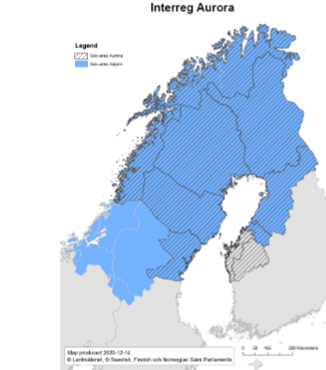
Public hearing concerning the Interreg Aurora programme draft, and the draft of the Strategic Environmental Assessment (SEA) is open now. You will have the possibility to share your opinions in an online survey and in information events. The public hearing process takes 30 days and its open due to May 20, 2021. Feedback will be passed on to the Joint Programming Committee and the programme will be finalized based on this. Interreg Aurora-programme invites you also to Information events (online) in each programme country.
The draft Interreg Aurora programme 2021-2027 and the Environmental Impact Assessment (SEA) have been published. Both can be found on the program's website. The public consultation on the programme has started at the same time. You can participate in the consultation by replying to the online questionnaire by 20 May 2021. You can comment on the selected priorities and the draft programme as a whole. In addition, a public consultation webinar will be held on 5 May from 1 p.m. to 3 p.m. to present the objectives of the new programme on the basis of the draft. Now is the place to Influencing how funding is distributed in the region.