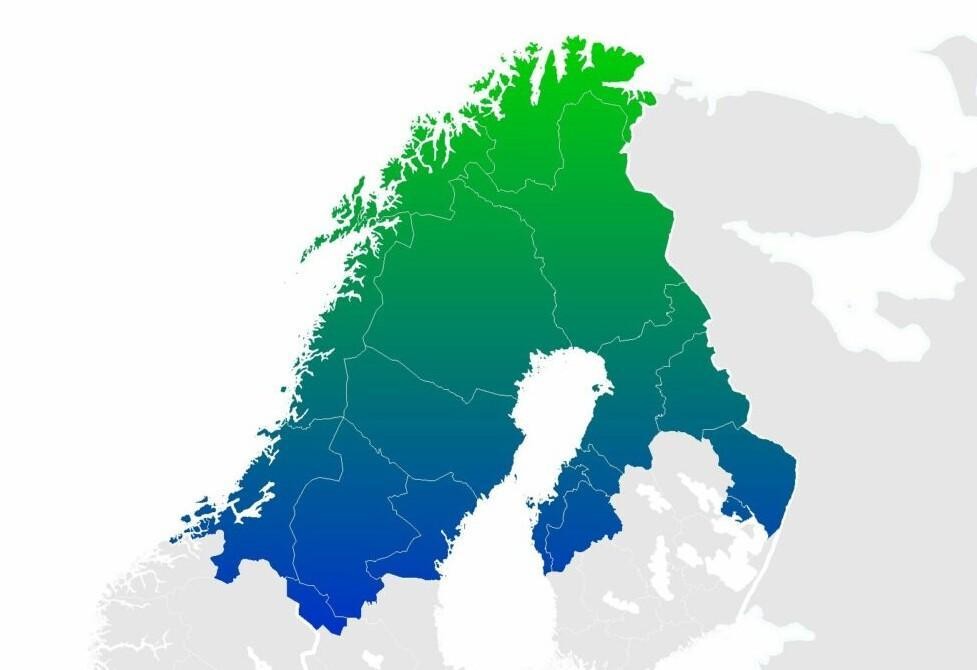
The Interreg Aurora Selection Committee decided on the projects to be financed in Oulu on 3-4 June 2026. There were 66 applications for the program. This is almost twice as much as usual. The reason for this is that the closed call was the last one where all the specific objectives were open. For the first time, the selection committee made changes to the Secretariat's proposal. It was decided to approve the ArcResc Wildfire project and to reject the application Borders to Opportunities. 26 applications received a positive funding decision. Two of the approved projects are the main Northern Ostrobothnian partner, ProAgria Oulu and the City of Oulu. Additional information: Programme Coordinator Niko Auer, niko.auer@pohjois-pohjanmaa.fi, tel. +358 40 685 4012
Pojois-Pohjanmaa | Regional Assembly of Oulu region
The NGO Advisory Board of Northern Ostrobothnia has made the theme of the 2026 Organisational Act Award a non-threshold cultural act. The theme aims to highlight Regional Assemblys that make culture accessible, inclusive and accessible. Proposals can be submitted from 1 to 30 September 2026. The application period is not yet open, but it is already a good time to consider which Regional Assembly or operating model deserves recognition. More detailed instructions and an electronic form for nominating candidates will be published on the Northern Ostrobothnia website at the beginning of September. The winning Regional Assembly will receive 1,000 euros to support its activities. The organisation act of the year will be announced at the Regional Parliament of Northern Ostrobothnia on 3 November 2026. Additional information: Development Manager Ilpo Tapaninen (tel. +358 50 301 7546 or e-mail ilpo.tapaninen@pohjois-pohjanmaa.fi).
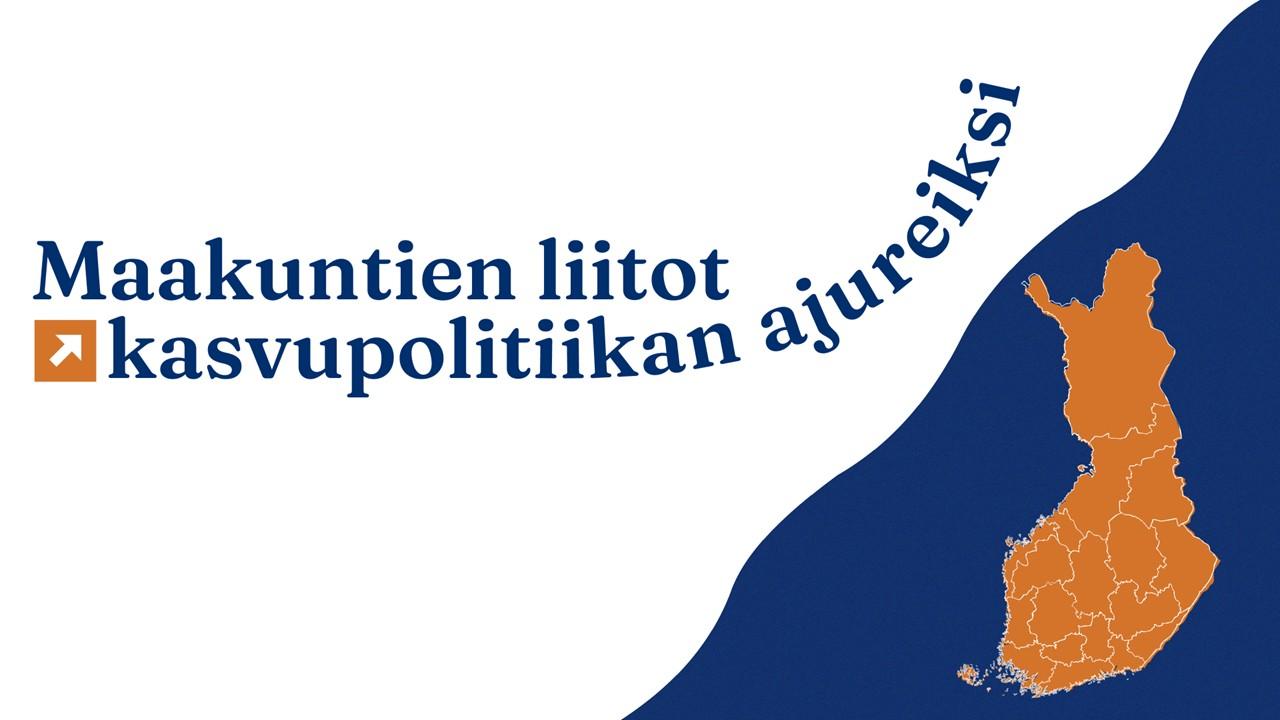
The challenge of economic growth is the most important issue to be solved in Finland in the next few years. The Region Mayors of the 18 regions of mainland Finland have published their views on ‘Regional Assemblys of regions as drivers of growth policy’ for the next parliamentary term. The regional leaders propose that the Regional Assemblys take greater responsibility for the preparation and implementation of regional growth policy. Regional Assemblys are already responsible for the strategic direction, foresight, advocacy and regional planning of the development of their regions, which is a prerequisite for major industrial and energy investments. Growth is not generated by steering from above, but by counties in different parts of Finland. Stronger strategic contractual relations between the state, regions and municipalities are needed to accelerate and coordinate growth-oriented actions. The agreements must be linked to the future EU programming period starting in 2028 and its funding. The regional The Regional Assemblys emphasise that preparations will be made in the coming months for the next …
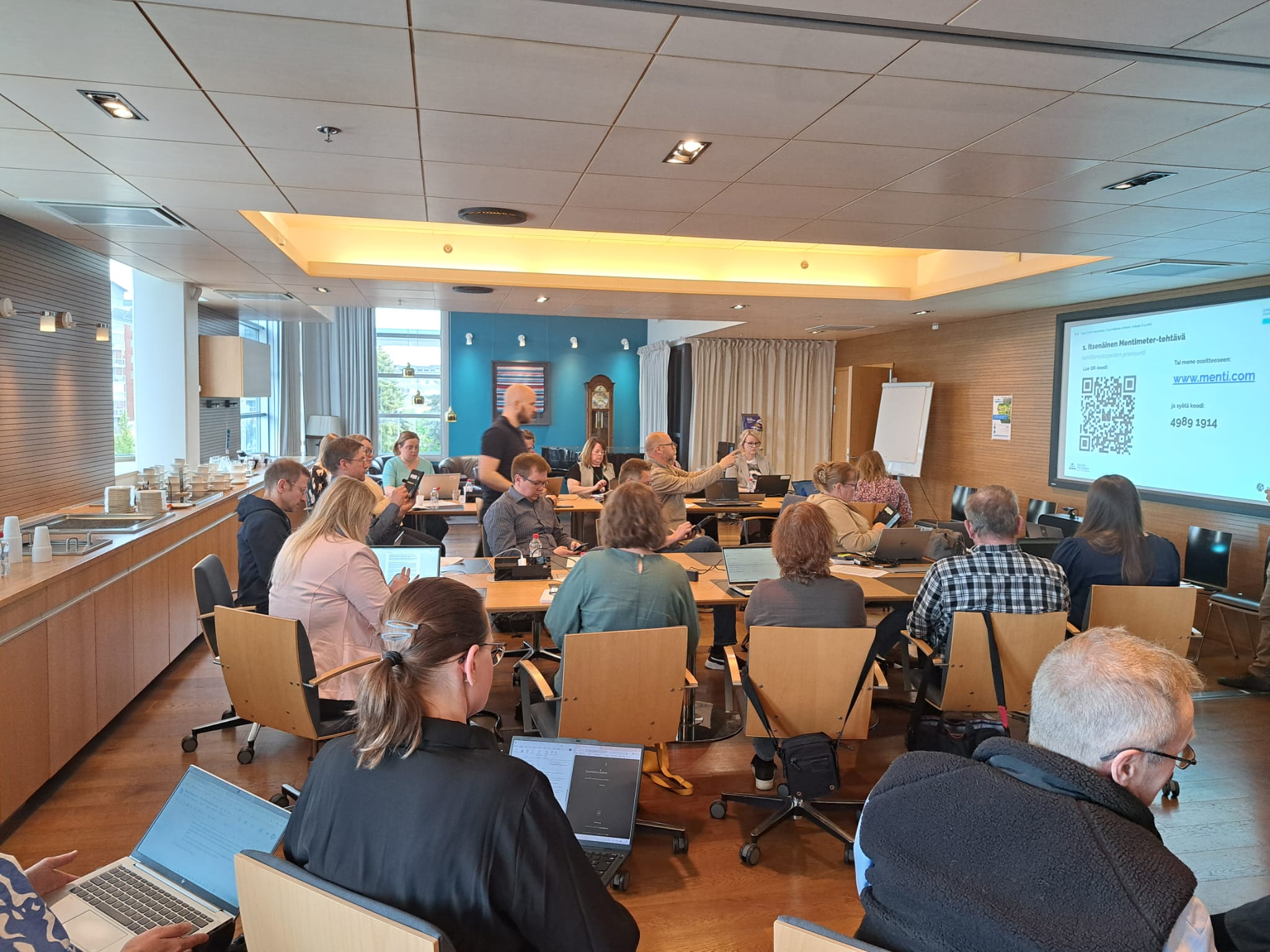
In the stakeholder workshop in May, regional stakeholders were involved in the planning of the autumn ERDF theme application. The thematic call is scheduled to start in September 2026 and the call for applications will amount to EUR 500,000. One of the objectives of the Rural Coop project implemented by the Regional Assembly of Oulu Region is to develop new regional development practices, especially from the perspective of the funding process. – The autumn ERDF call is a Rural Coop call linked to Specific Objective 2.1. Promoting energy efficiency measures and reducing greenhouse gas emissions. The specific objective is set out very broadly in the programming document and allows for a wide range of projects to be carried out under it. This is why we wanted to organize a workshop. We wanted to hear from municipalities, in particular, what matters are topical in energy efficiency and climate work. We aim to take thoughts and ideas into account in the preparation of the call for applications, explains Laura Kelhä, Development Manager. The event brought together a total of 29 participants representing a diverse range of our county…
The Finnish Government has done a good job by highlighting the importance of funding for the northern and sparsely populated areas of the EU (NSPA) in its positions. However, Finland has traditionally left the negotiation of key contributions to the final stages of the EU process. The background of Finland's accession treaty is so strong for NSPA support that Eastern and Northern Finland encourages the government to ensure special support as early as possible. "Finland must also request separate funding for northern sparsely populated areas for the upcoming EU funding period starting in 2028. This is not a regional special request, but an increase in the total amount of EU funding coming to Finland as a whole and a prerequisite for Finland's growth, security of supply and the effectiveness of EU funding", says Hannu Takkula, Vice-President of the Regional Assembly of Eastern and Northern Finland from Lapland. NSPA funding increases the amount of EU funding received by Finland as a whole The purpose of EU cohesion policy is to reduce…
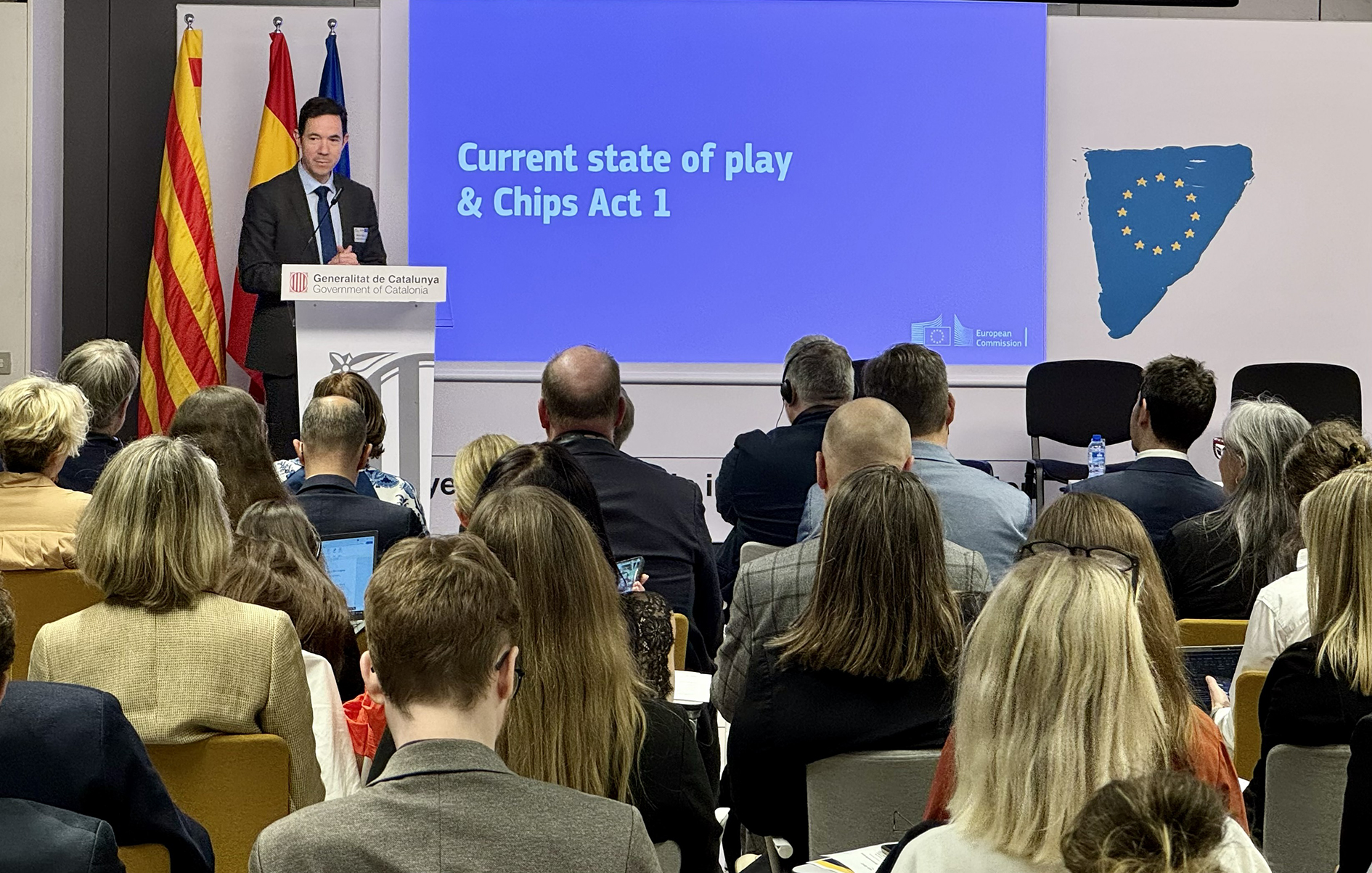
The Regional Assembly of Oulu Region participated on 3 June. At the European Semiconductor Regions Alliance (ESMA) General Assembly in Brussels, the first version of the future EU Chips Act 2.0 strategy was presented. It aims to increase the EU’s strategic self-sufficiency by accelerating European chip production and design. The strategy will contribute to shaping EU investments in microelectronics for the future programming period, including in the northern region, and will thus be an important instrument for regional development. Active involvement in the ESFA creates new networks and opportunities for businesses in the regions, which are particularly valuable in terms of the high investment costs associated in cooperation in cooperation with the production of microelectronics. Collaboration in cooperation in cooperation with different European regions provides access to resources that would otherwise often be inaccessible, which was highlighted by the European Commission's Directorate-General for Communications Networks, Content and Technology (DG CNET)….
The online webinar for the regional cooperation groups (MYRs) of the Regional Assemblys of Mainland Finland was held on Thursday 4 June and brought together an extensive group of participants from all over Finland. The webinar covered up-to-date information on Finland's National and Regional Partnership Plan (NRPP) and the progress of its preparation. This is a key issue, as the European Commission's proposal for the EU's multiannual financial framework for 2028-2034 entails significant changes in regional development, in particular in the structure of EU funding programmes. The event was opened by Satu Sikanen, Regional Director of South Karelia. Regional Counsellor Lyly Rajala (Chairman of the Regional Assembly of Oulu Region, MYR) gave a presentation on the role of regional cooperation groups in steering regional development. Johanna Osenius, Director of Regional Development at the Ministry of Economic Affairs and Employment, presented the state's perspective on the preparation of the next funding period, and Mikko Kangas, Development Manager at the Regional Assembly of South Ostrobothnia, opened up the key contents of the national and regional partnership plan. ‘I am…
Pojois-Pohjanmaa | Regional Assembly of Oulu region
The centres of vitality have opened a new national call for funding to support significant investments by SMEs of at least EUR 10 million. The aim of the call is to accelerate the significant growth of small and medium-sized enterprises (SMEs), especially export-oriented investments, throughout the country. The call for applications is open until 31.8.2026 and the maximum funding available is EUR 19 million. The national call is aimed at SMEs seeking significant growth and exports, adopting new resource-efficient production technologies or developing clean transition solutions. The aid is granted in the form of a business development grant for vitality centres. Grants may be awarded for the purchase of machinery and equipment based on new technologies, for intangible investments, for the construction of production-related, necessary and self-contained production facilities and for the related civil engineering costs. The total cost of the investment project must be at least 10 million…
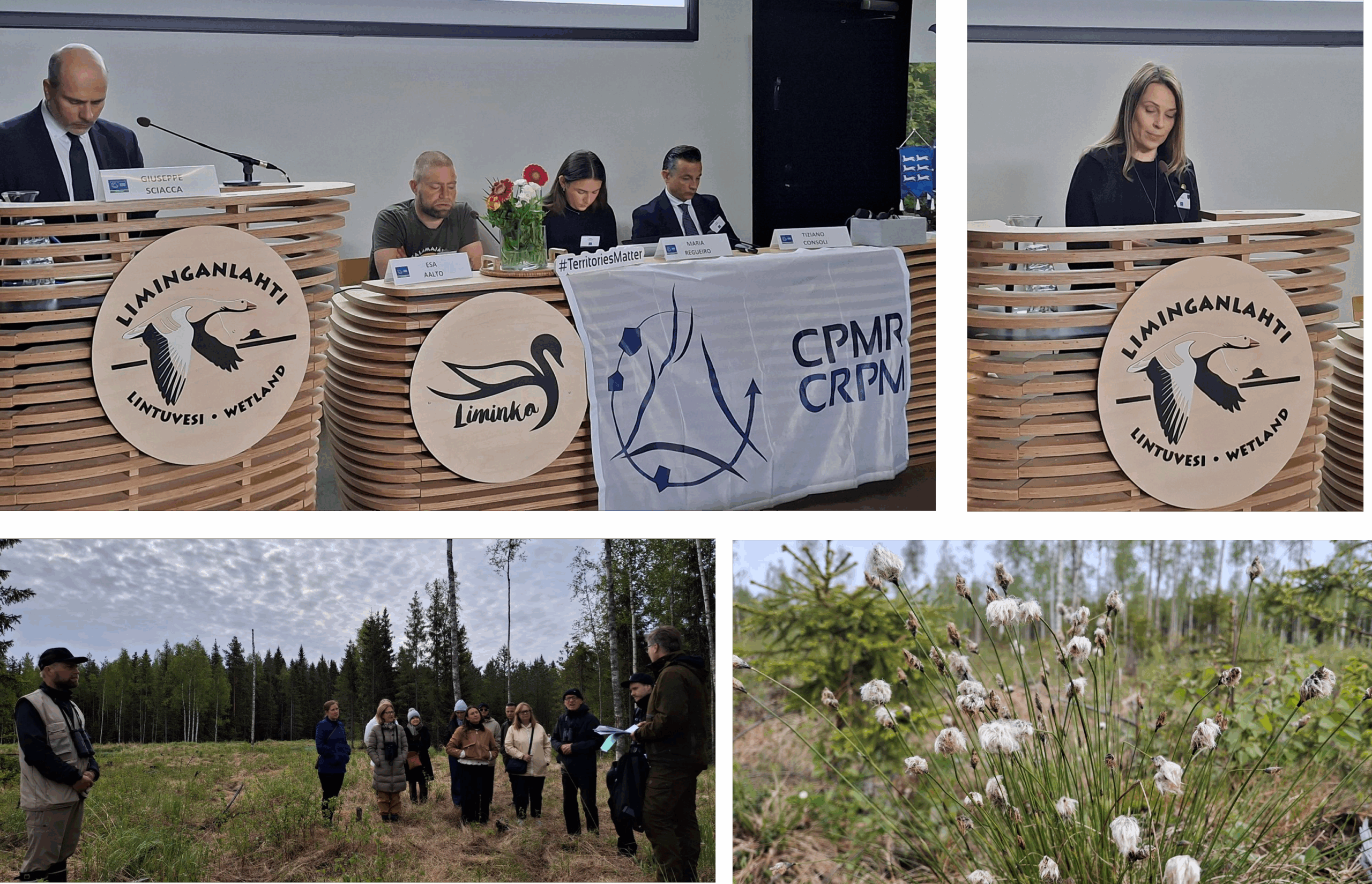
The Climate Working Group meeting of the Conference of Peripheral Maritime Regions (CPMR) in the Oulu region on 27-28 May 2026 brought together European regions to discuss strengthening climate resilience and carbon sinks as part of EU climate policy. The Regional Assembly of Oulu Region hosted the meeting and was an active player in the CPMR network, highlighting the perspectives of the regions in the preparation of the EU's climate policy. The aim was to strengthen the position of the regions both as implementers of solutions and as shapers of their direction. Key themes were carbon sinks, carbon removal and the development of financing and management. Discussions highlighted the need to improve the ability of regions to Influencing and make use of EU-level funding. The message of the meeting was clear: climate resilience is built in the regions – and their role in the EU’s future solutions will be key. Watch the video: Atmospheres from the CPMR Climate Working Group meeting and field visit to Northern Ostrobothnia
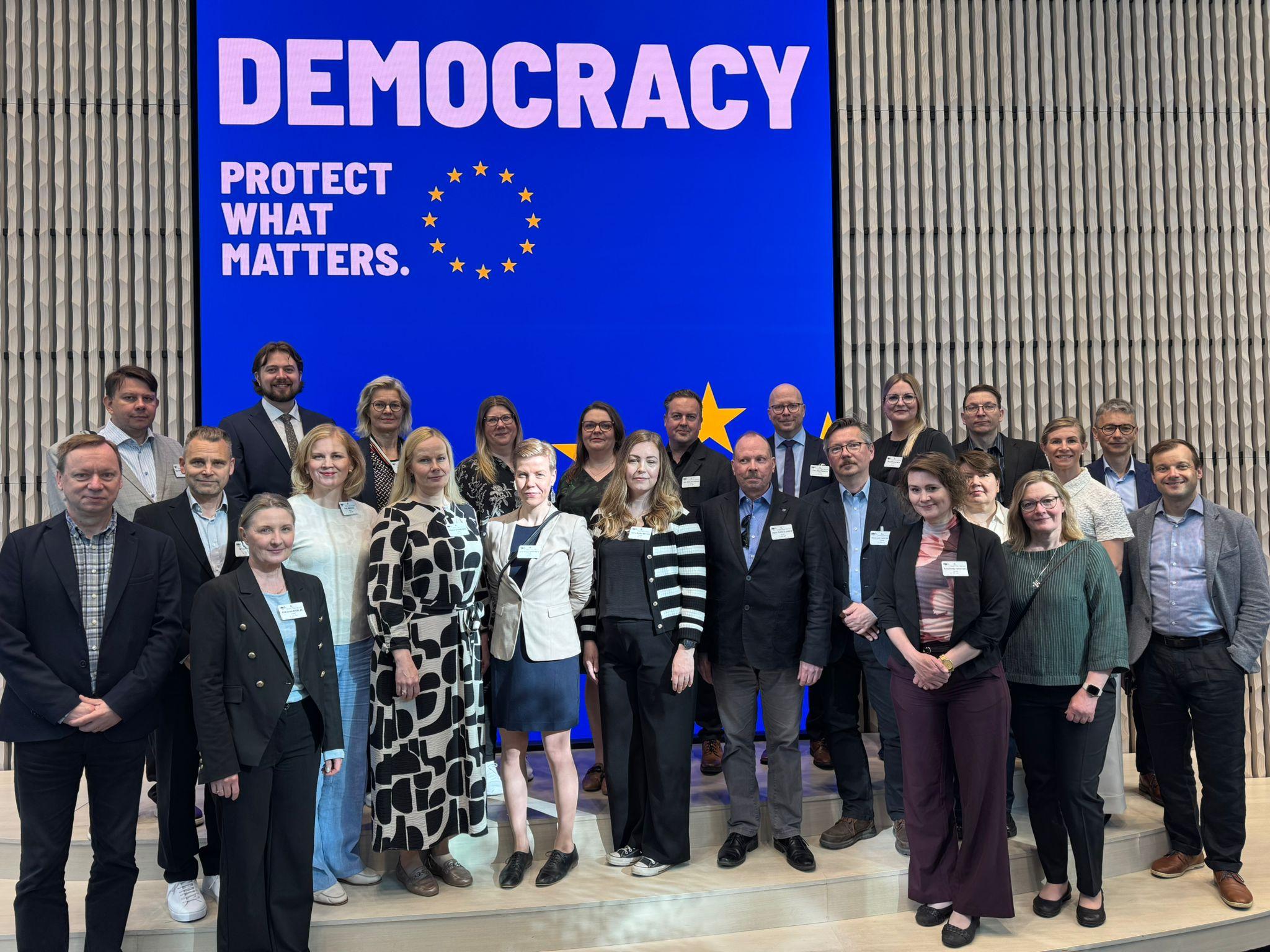
The Regional Assemblys of Mainland Finland carried out a study visit to the European Commission in Brussels in late May. The trip was aimed especially at experienced experts or people in managerial positions. The purpose of the visit was to provide regional experts in cooperation in cooperation with information on current topics. Presentations by experts from the European Commission represented a wide range of Commission Directorates-General: DG COMP, responsible for Competition Policy, DG REGIO, responsible for Regional and Urban Policy, DG GROW, responsible for Internal Market, Industry, Entrepreneurship and SMEs, and DG DEFIS, responsible for European Defence Industry and Space. Laura Kelhä, Head of Regional Development at the Regional Assembly of Oulu Region, participated in the study visit organised by the European Commission Representation in Finland. “However, the most fruitful part was networking and discussing in cooperation in cooperation with representatives of other regions.” Technology and cohesion policy important topics in Northern Ostrobothnia The visit included a topical update by Commissioner Henna…