Securing the downward migration of salmonids is important in built-up river areas. Several studies, also conducted in Iijoki, show that the migration of smolts slows down and partly stops at power plants. In addition, some smolts become disabled or die as they swim through turbines. In accordance in cooperation in cooperation with the Iijoki Water Vision, the aim in Iijoki is to restore the natural life cycle of salmonids. The success of the downward migration of the Smolts is one of the key elements in this whole. In order to organise the downward migration of smolts, Iijoki has systematically progressed towards Finland's first downward migration route of smolts.
The text below describes the work carried out in Iijoki to organise the downward migration of smolts between 2015 and 2021. Already before this, different projects and studies by the Finnish Game and Fisheries Research Institute/Natural Resources Institute Finland have investigated the behaviour of smolts in Iijoki.
Smolts' downhill migration solutions in Haapakoski are promoted in cooperation in cooperation in cooperation with: PVO-Vesivoima Oy, Lapland ELY Centre, Ministry of Agriculture and Forestry, Ii, Oulu, Pudasjärvi, Taivalkoski, Kuusamo, Regional Assembly of Oulu Region, Iijoki Fishing Area, Metsähallitus, Northern Ostrobothnia ELY Centre and Natural Resources Institute Finland.
General plan of downhill migration routes (Iijoki Otva project 2015-2018)
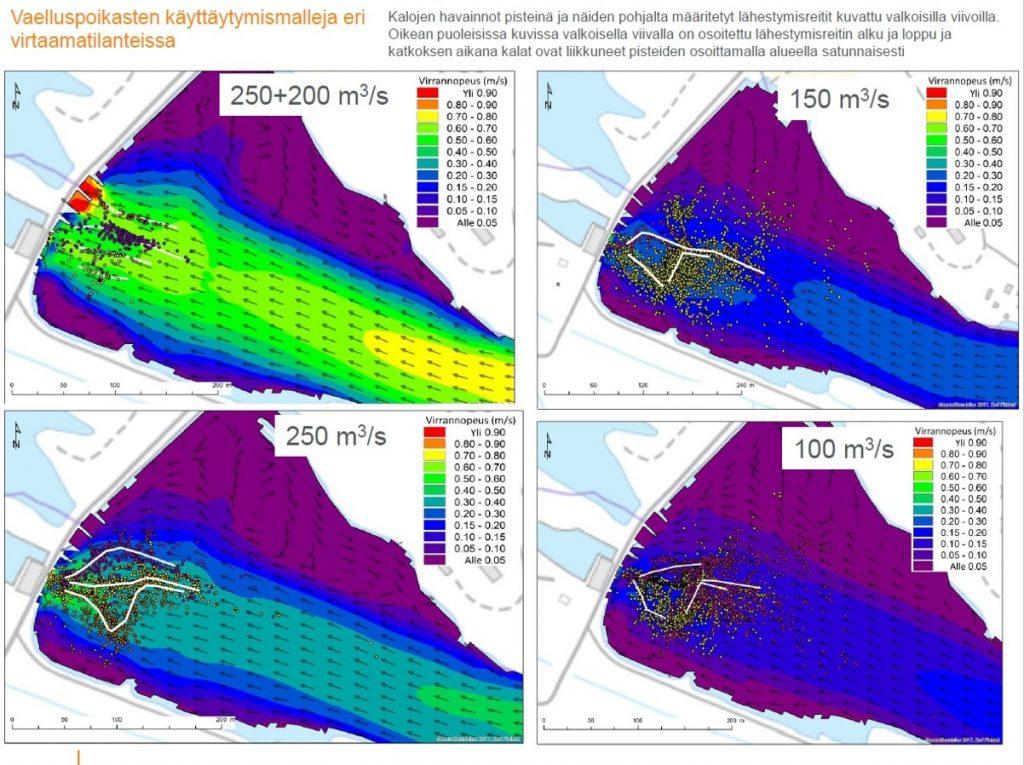
the Iijoki Otva Project one of the key objectives was to promote the return of migratory fish in the Iijoki river basin. As part of the Iijoki Otva project, the project's co-implementer, the Natural Resources Institute Finland, prepared the Master Plan, on the basis of which the low-lying paths of the smolts of the river Ii are carried out. Flow measurements were carried out on the upper channels of the Iijoki power plant dams (Luode Consulting Oy). Based on the measurement results, flow models (Fortum Power and Heat Oy) were prepared for each upper channel. The flow model of Haapakoski, the highest dam in the capital, was combined in cooperation in cooperation with data from a 2017 smolt monitoring study conducted by Luke. The study provided very accurate information on the use of smolts as they approached the Haapakoski power plant.
A key idea in arranging the downward migration of smolts is that separate routes are needed for migratory juveniles, as fish paths for upward fish tend to work poorly to support the downward migration. Smolts are difficult to guide to fish roads and, in addition, smolts can stay in them. The text continues after the pictures.
Downhill migration solutions for smolts (Iijoki migratory fish tip project 2017-2020)
the Iijoki migratory fish tip project The smolt downhill migration solutions package promoted the downhill migration theme of smolts through several actions.
The project drew up: Preliminary study on smolt migration structures in 2017. The report was prepared by Maveplan Oy in cooperation in cooperation with the support of a separate steering group. The preliminary study supported the transition to the next phases in smolt migration solutions.
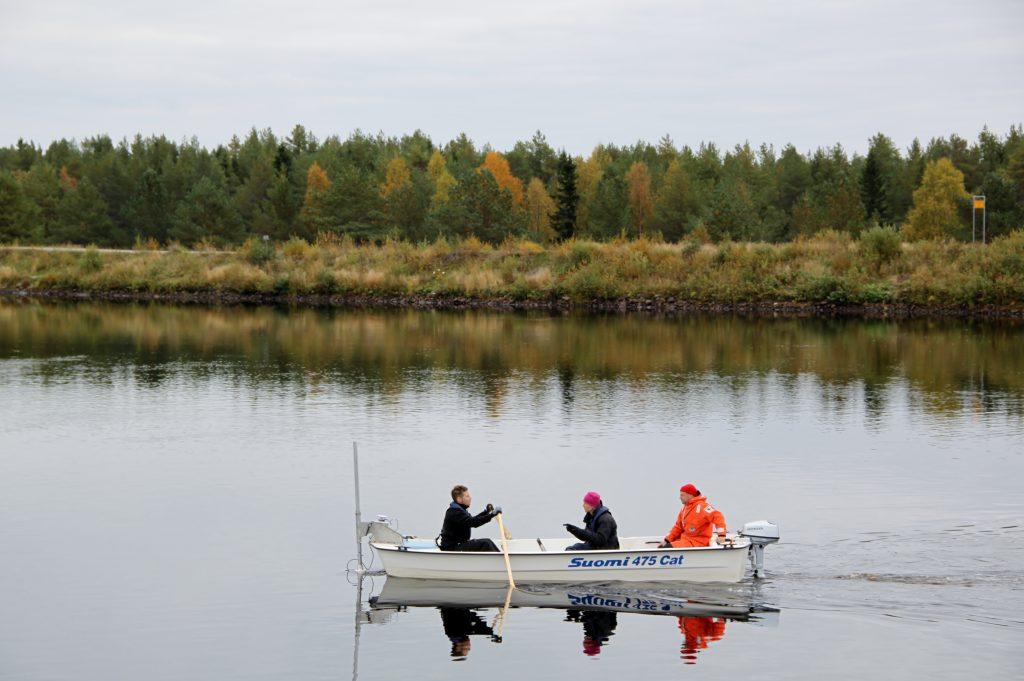
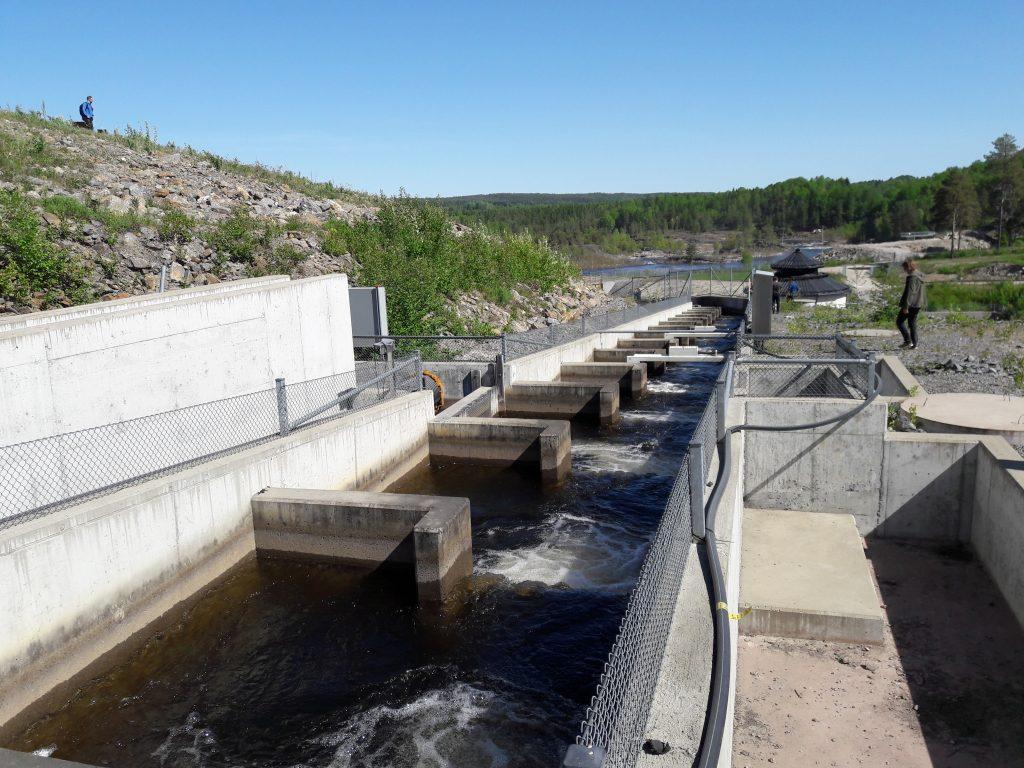
The key project also included the idea of a study trip to Sweden. The study trip was organised by the Northern Ostrobothnia Centre for Economic Development, Transport and the Environment in early summer 2018. project beneficiaries, researchers, civil servants, representatives of hydropower companies and consultants participated in the trip. On the way we got to know the fish roads and smolt steering structures on the Pitee River and the Umeå River. The text continues after the photo.
One of the most important measures of the Iijoki migratory fish tip project was the design, construction and installation of the smolt control structure in Haapakoski. A similar structure has not been built elsewhere in Finland. Following a tendering procedure, Katera Steel Oy was selected to implement the measure. The control structure was designed by Ponvia Oy, a sub-consultant of Katera Steel Oy. The measure was implemented in 2018-2019.
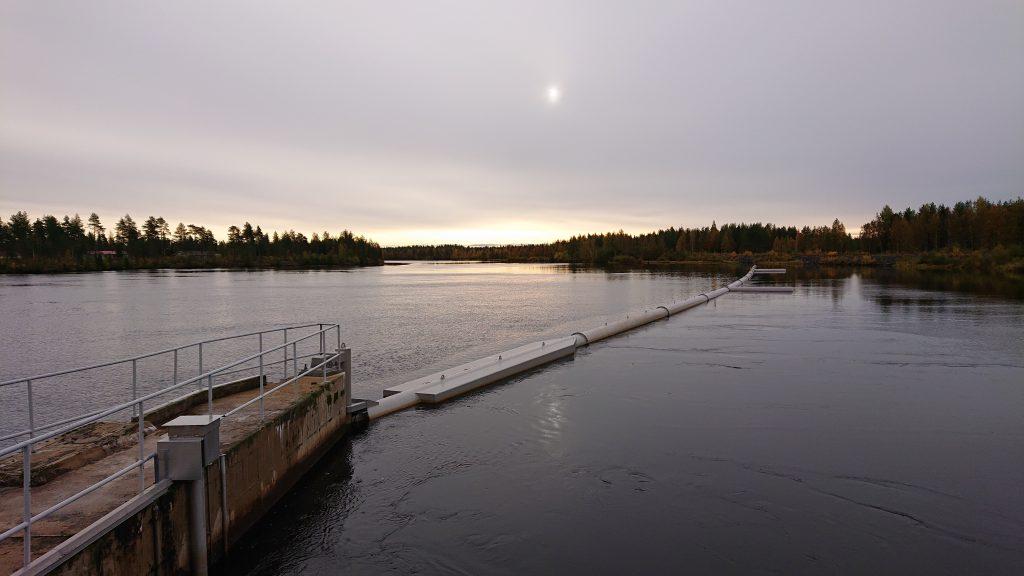
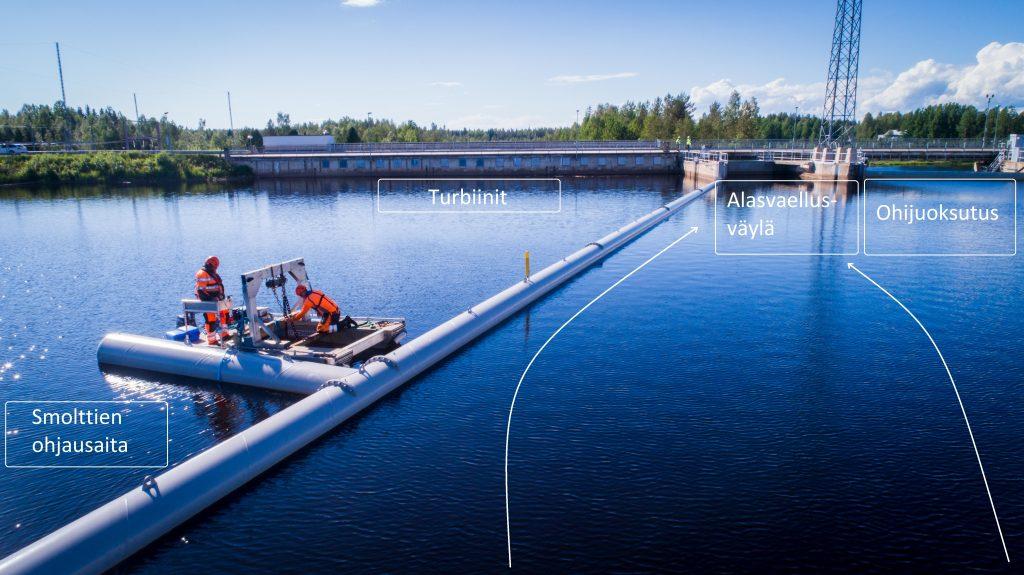
The control structure was implemented as a floating control fence. The structure consists of blocks of steel tube elements, which are fastened to each other by bolted flange connections. The blocks consist of a single 180 m long monolithic conductor structure.
The tube structure is a spiral-sealed steel tube. The control wall is a keel attached to the underside of the main pipe, i.e. a steel plate wall that extends to a depth considered appropriate for the control of smolts and taking into account the water level variations in the upper channel. The fence extends to a depth of 1,2 to 3,0 m. The text continues after the pictures.
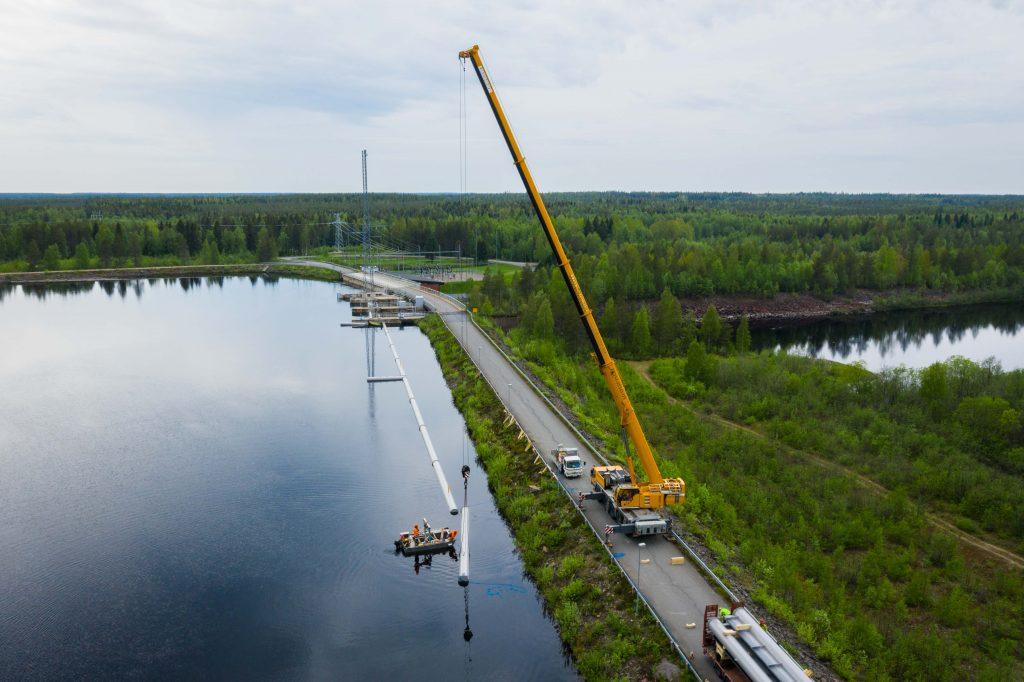
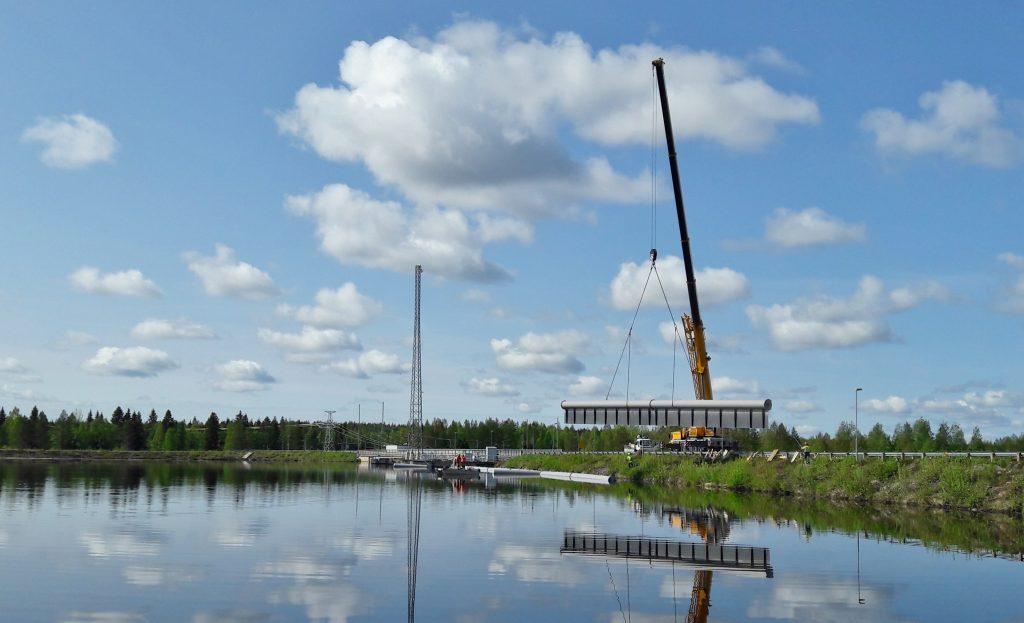
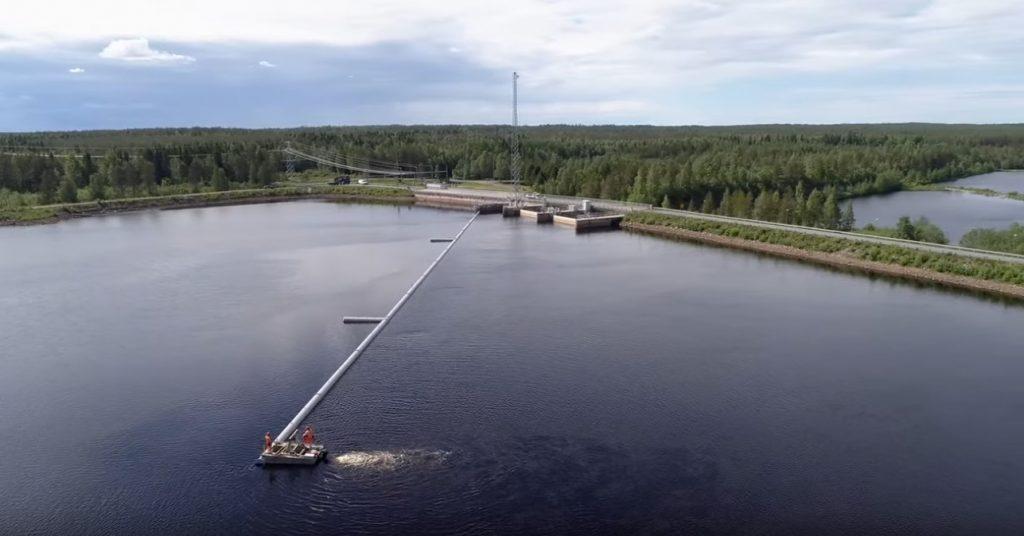
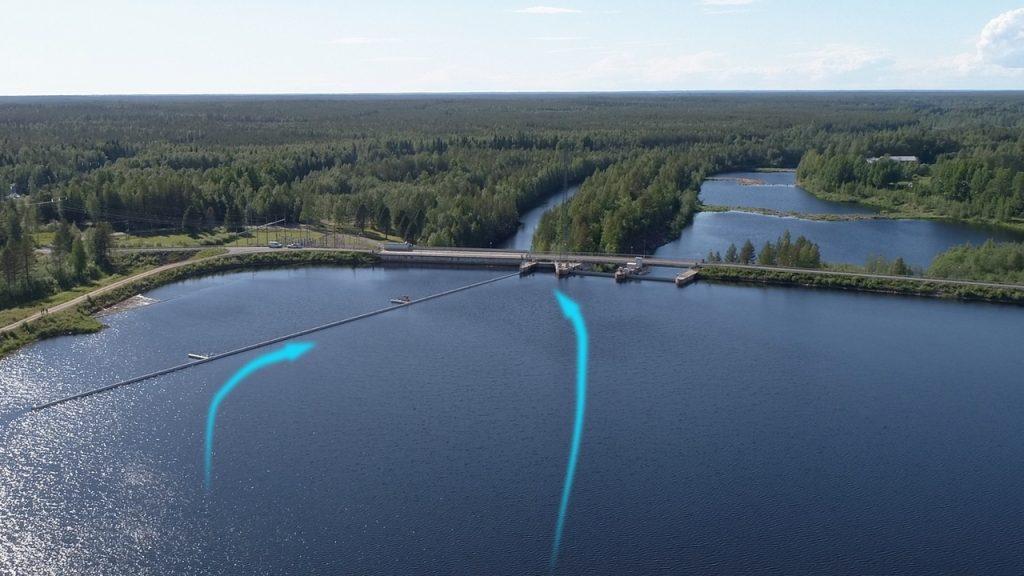
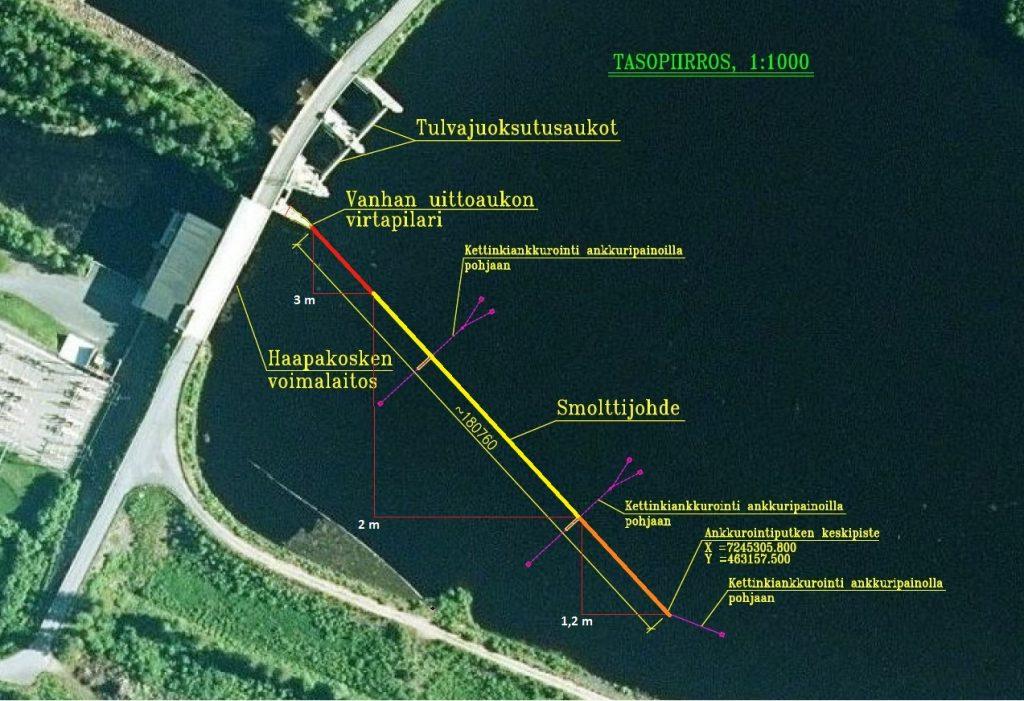
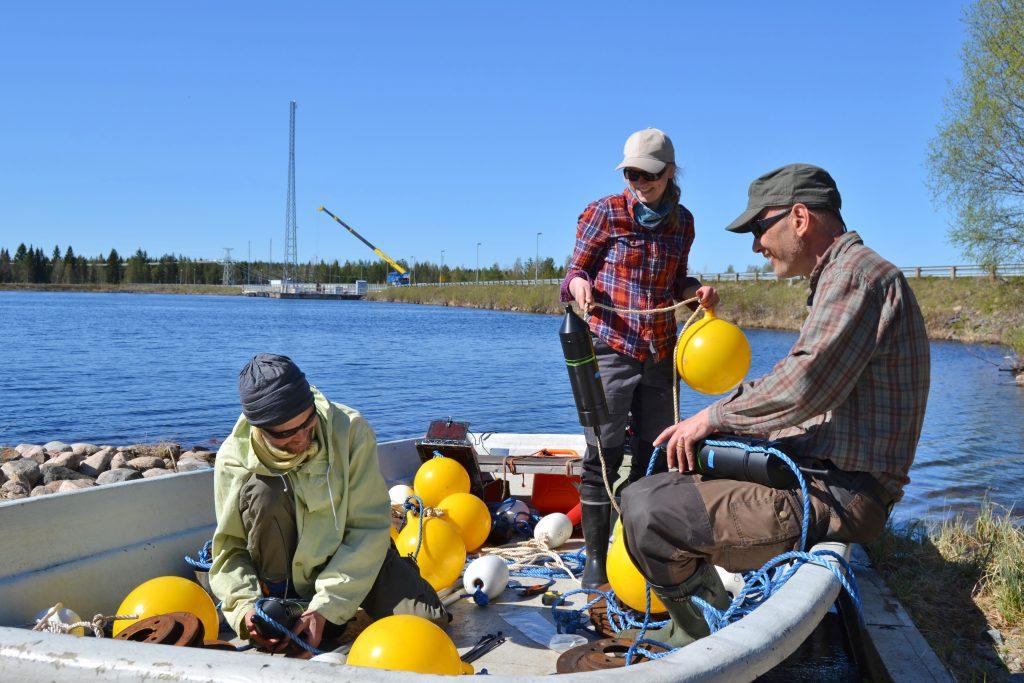
The Natural Resources Institute Finland is studying the functionality of the fence 2020-2022 as part of the Umbrella III project. The results of the 2020 survey were promising. Most of the smolts behaved as expected when they encountered the fence. The Smolts followed the fence towards the power plant dam. The study will be renewed in 2022. The control fence has taken into account possible changes, for example, the angle of the fence relative to the direction of water flow can be changed and, if necessary, lighter mesh structures can be added to the lower part of the fence. A video was produced about installing the Smolt control fence (BrainyDay Visual Oy). Watch the video YouTube.
In winter 2019-2020, ice loads and fluctuating flow conditions damaged the first block of the fence and the fastener attached to the dam wall. Katera Steel Oy carried out the necessary repairs in July 2020. The fence was also damaged in the winter of 2020-2021, when the fence was able to move despite the massive anchor weights. The anchoring of the fence will be strengthened in the future. Challenges in the durability of the fence are an indication of the challenging conditions in power plant environments. When developing new solutions, it is necessary to prepare for the modification and research of the solutions. The text continues after the photo.
Design of the downward migration path and catchment device for smolts (Iijoki migratory fish tip project 2017-2020)
The promotion of downward migration solutions for smolts continued as part of the Iijoki migratory fish tip project in cooperation in cooperation with the design of the downward migration path and catching device for smolts. Following a competitive tendering procedure, Sweco Structural Engineering Ltd was selected to implement the measure. The planning was carried out in 2019-2020.
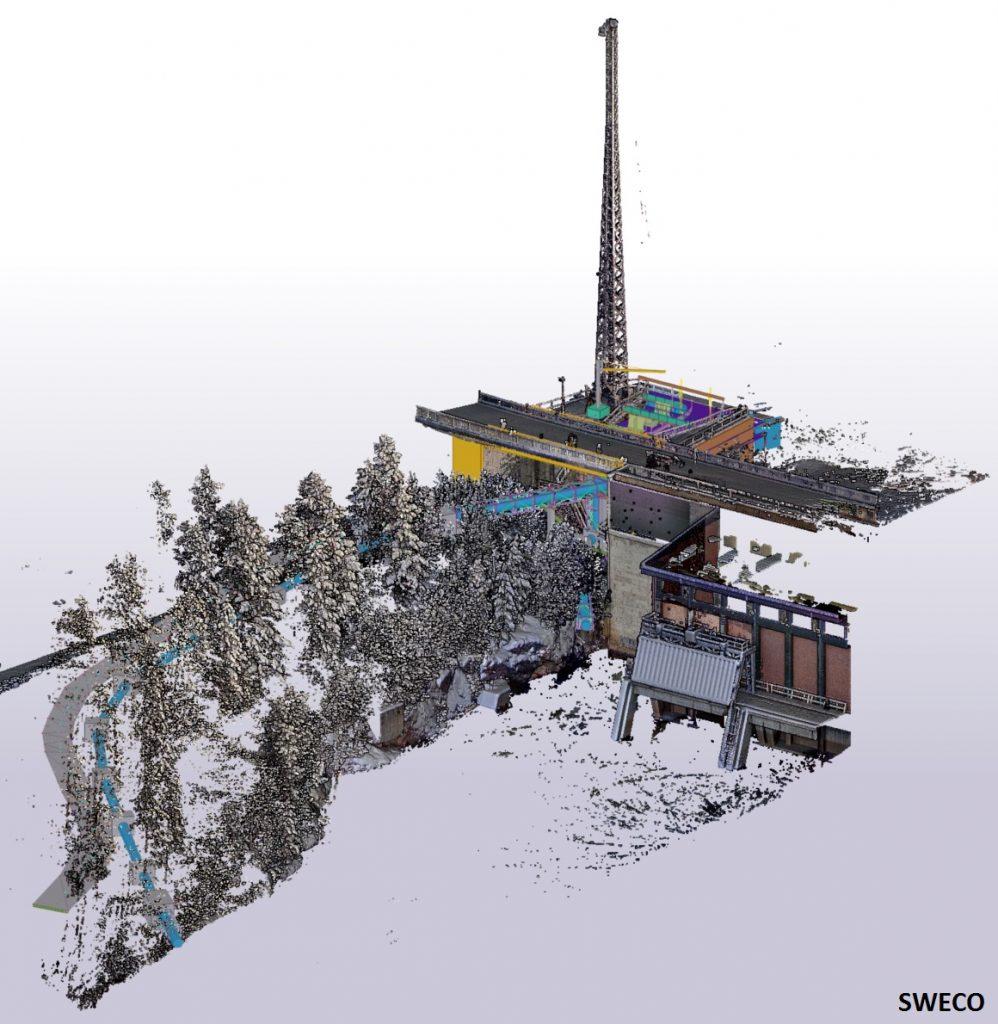
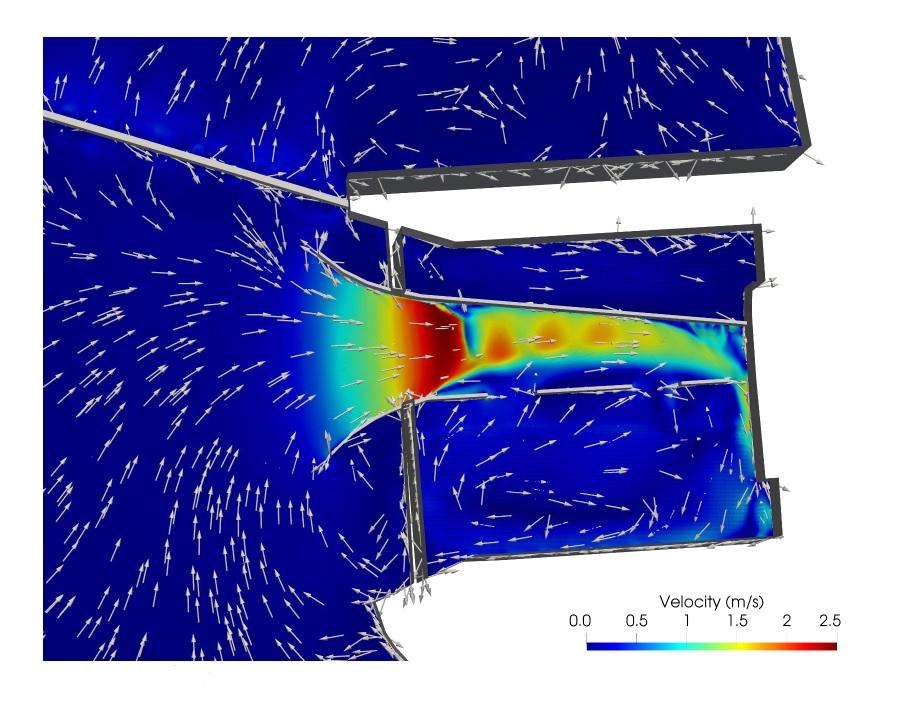
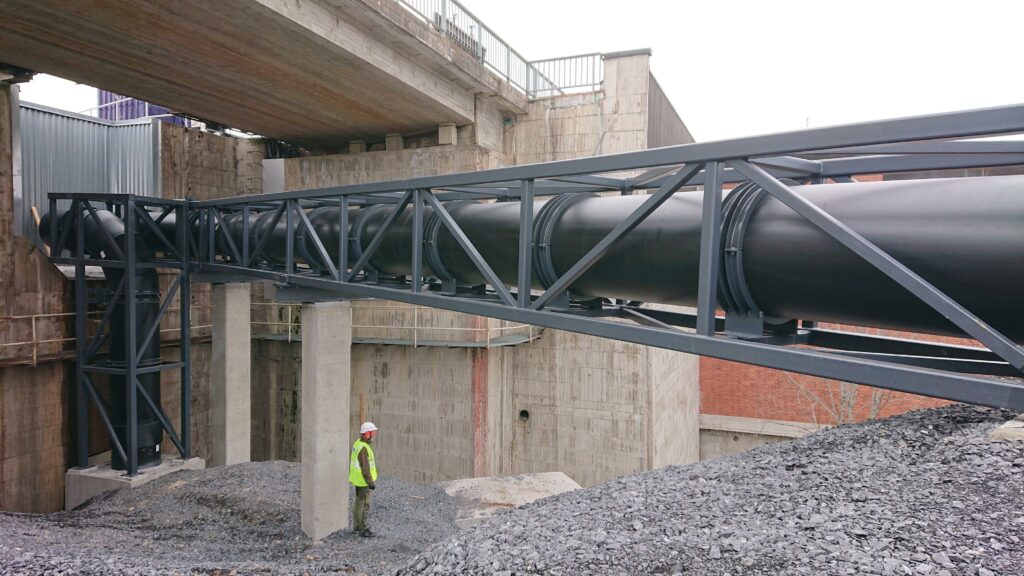
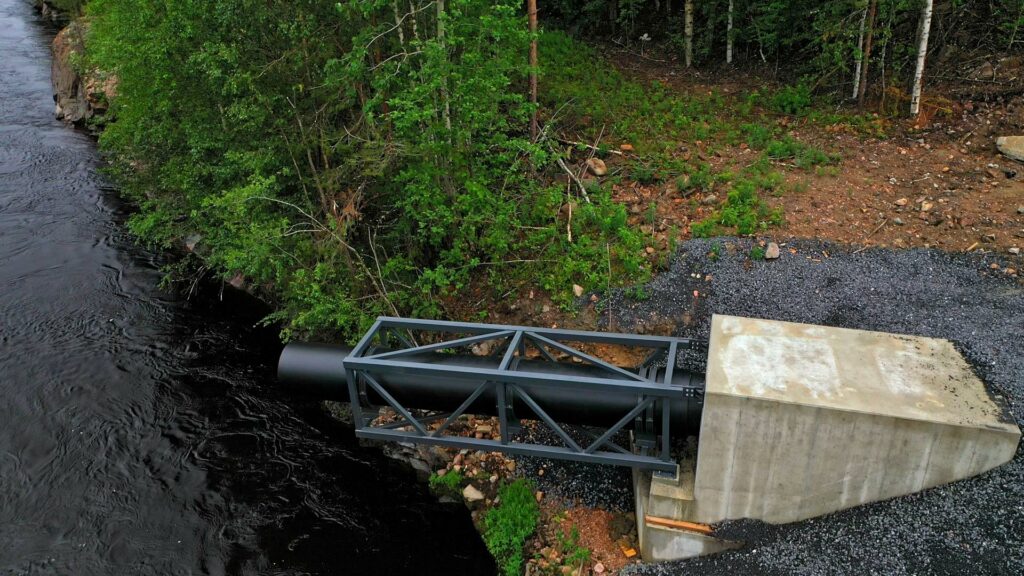
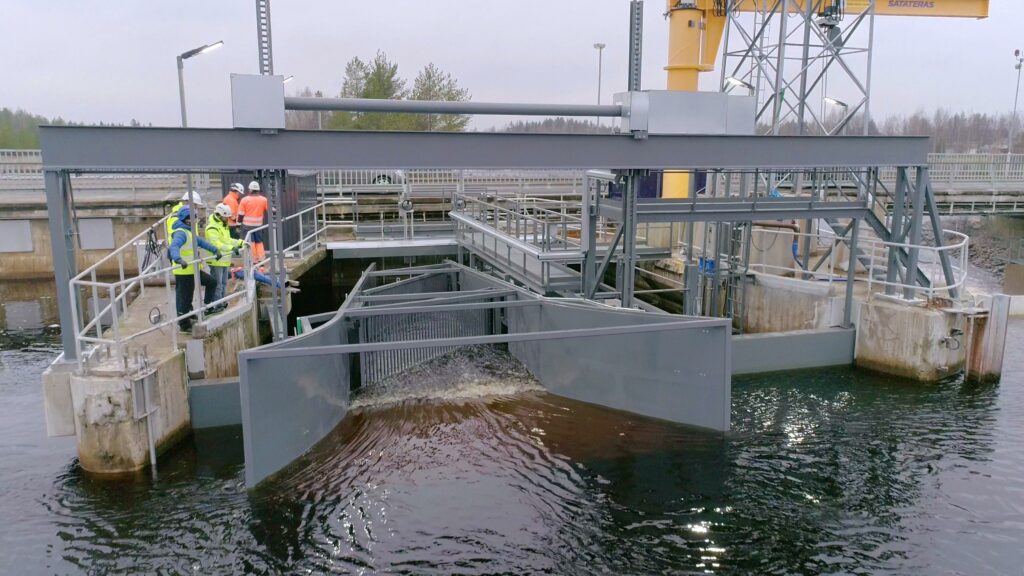
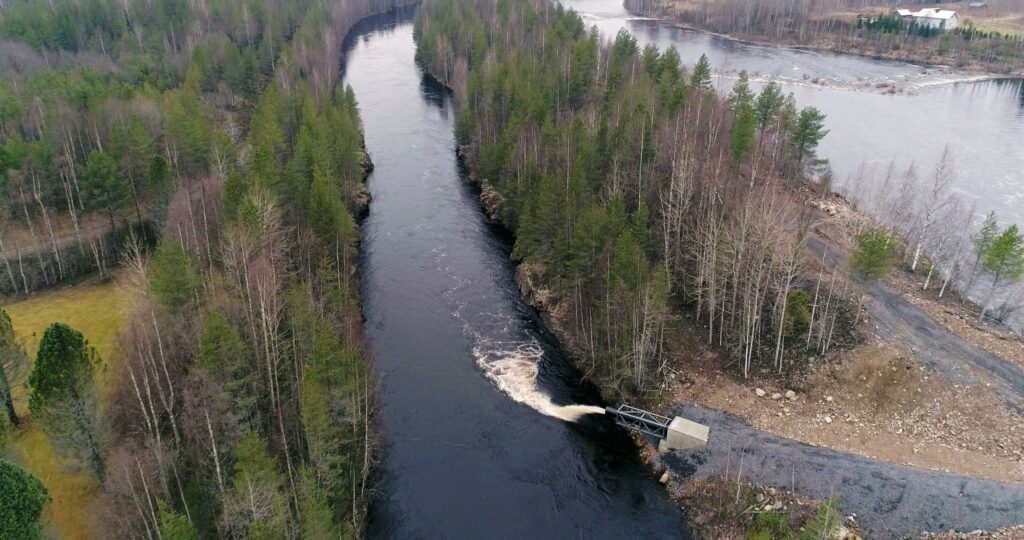
Designed for Haapakoski, the smolt trekking route and the catchment device consist of a funnel extending to the upper channel of the power plant, flicker structures placed in the funnel, a column crane, two cage attachments and two pipes. The diameter of both pipes is one meter. The shorter pipe is used, among other things, to adjust the flow conditions of the equipment. The longer 130-metre pipe passes through the heel between the lower canal of the power plant and the bypass Peatlands to the lower canal of the power plant. This tube allows fish to migrate if they are not caught for research or over-transfers.
There is an accelerating flow at the beginning of the downhill migration path. The purpose is that the smolts come to the entrance of the fairway following the guide fence, detect the flow of the fairway and seek the fairway attracted by it. The fish are then directed either to the catching device or through a pipe to the lower channel of the power plant to continue their migration. Flow modelling was also used in the design. The text continues after the pictures.
Construction of the Smolt Downhill Passage and catching device (Iijoki migratory fish project 2020-2022)
The next step in the formation of the smolt downhill route was the construction of a downhill route and a catching device. The measure was implemented as part of: Iijoki migratory fish project 2020-2022. OMP-Konepaja Oy was selected as the construction contractor following a tendering procedure. The construction consultant was Welado Oy.
The construction work started in November 2020 and was completed in November 2021. In the spring of 2022, user training was organised on, for example, the situational optimisation of flow conditions and the use of catching equipment.
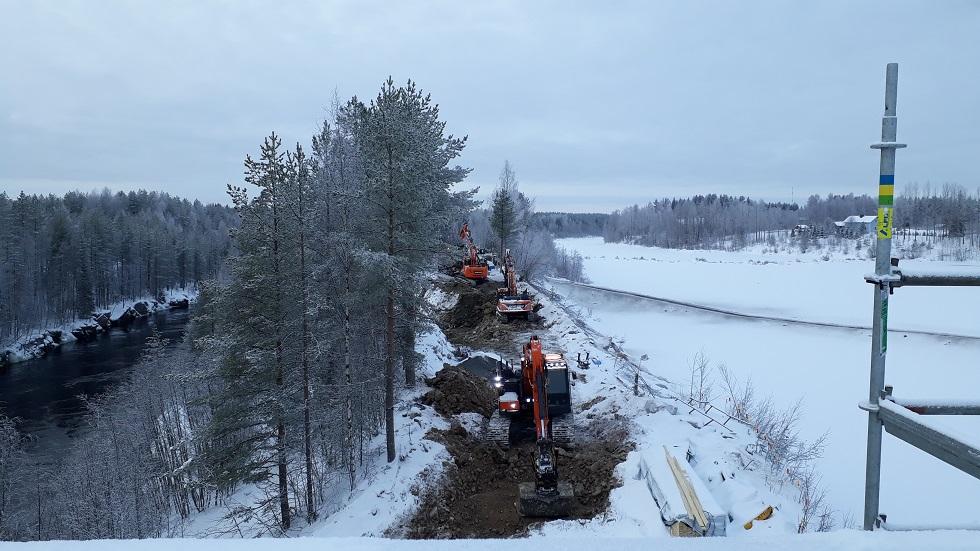
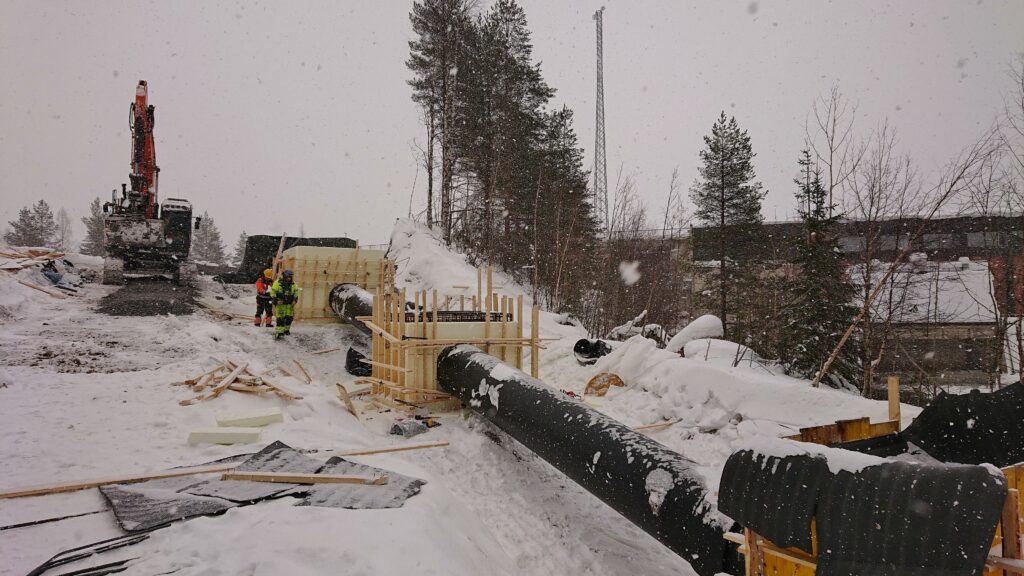
The following describes the different stages of construction. At first, a construction site road was built on the stalk below the dam over the passing bog. During the winter and spring, a 130-metre-long smolt pipe and another shorter water discharge pipe were built on the Isthmus. The text continues after the pictures.
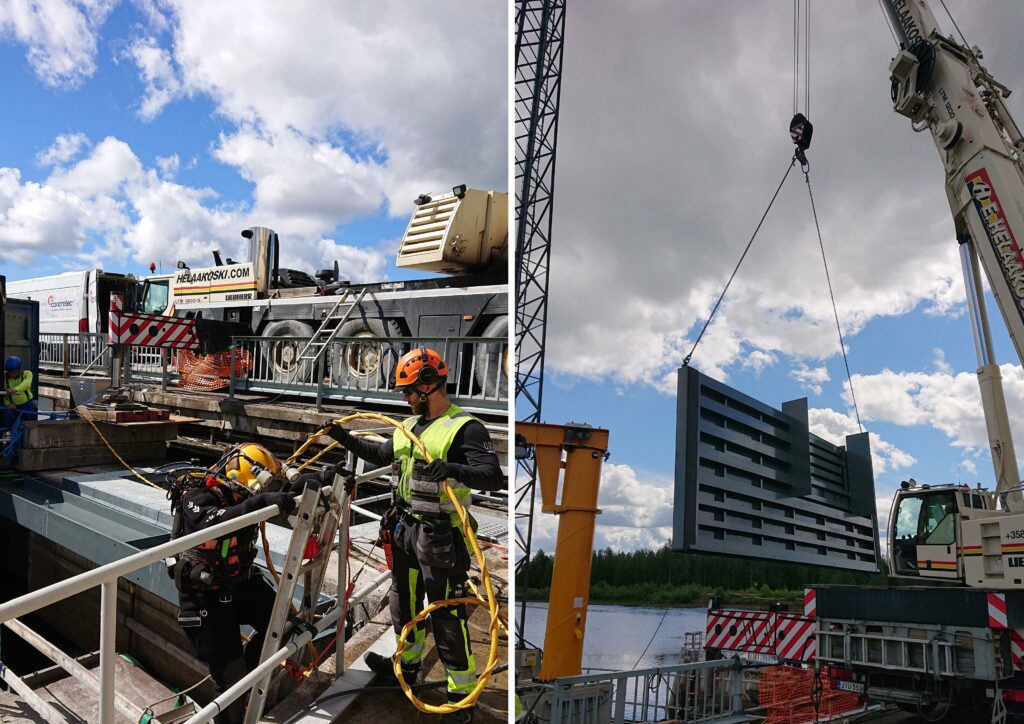
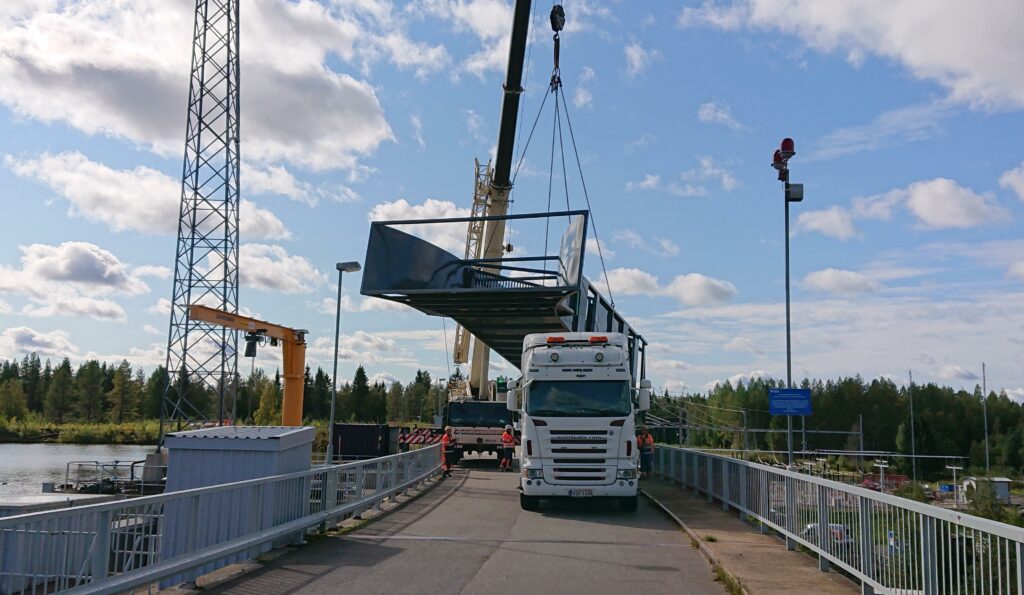
Above the dam, the first stage of work was the installation of a crane for cage attachments. In June 2021, after the floods ended, a lock wall was installed. in cooperation in cooperation with the help of the shut-off wall, the former log-cutting hole could be emptied of water. The wall was left in place and it functions as part of the structures of the downhill walkway. The actual funnel for fish control was installed at the beginning of September 2021. The first part of the funnel is about 6 meters wide. It narrows and lowers some distance to create an accelerating flow in the space. When going downwards, the depth of the funnel increases again. The text continues after the pictures.
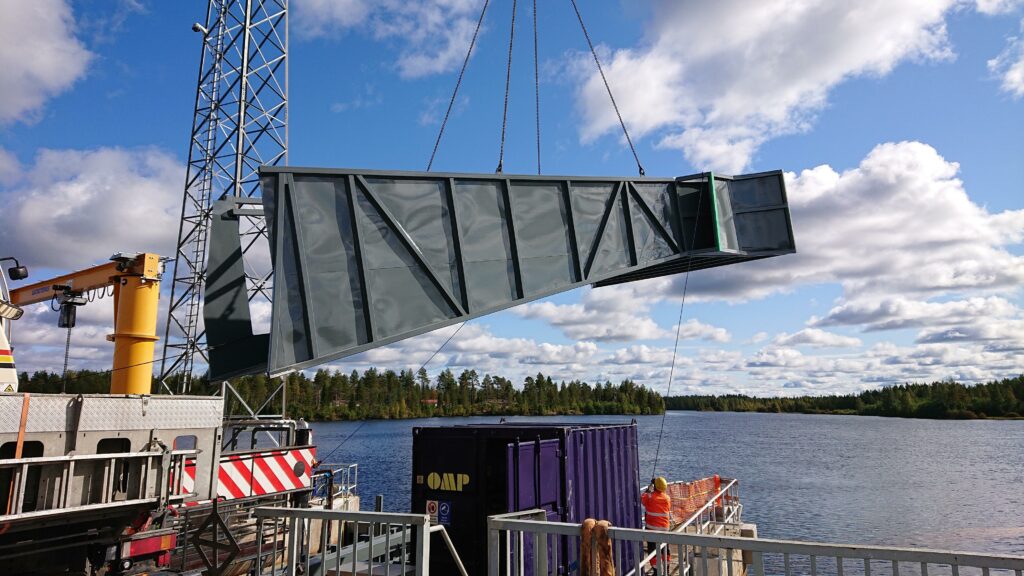
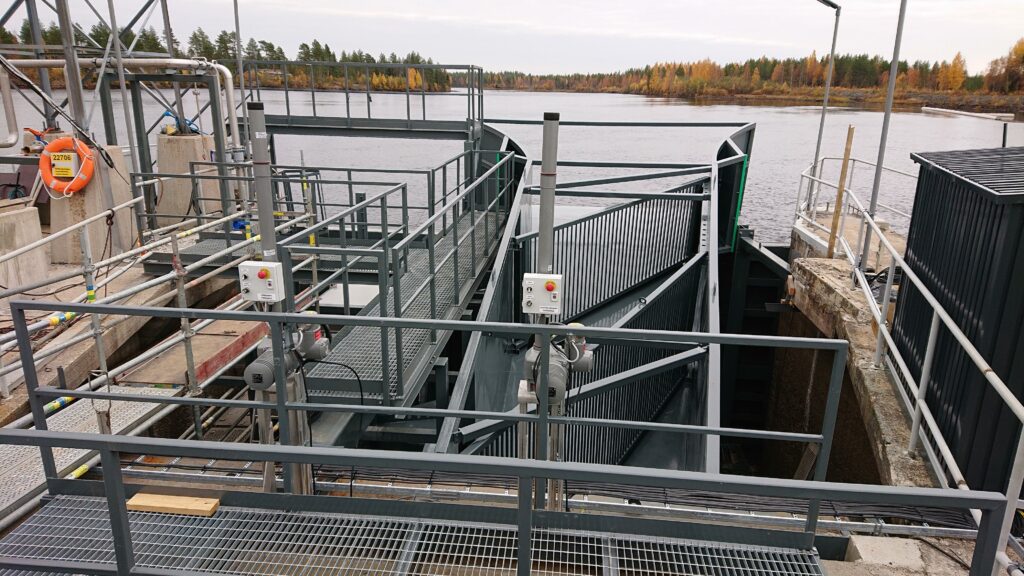
The following work phases included the installation of fish catching cages, various equipment installations and electrical and automation installations. The contract was completed in early November 2021. The final cost of the structure was approximately EUR 1.8 million. The downhill migration route was introduced in June 2022. As part of the Umbrella III project, the Natural Resources Institute Finland will study the functioning of the downward migration route and the previously installed fence using telemetry research in summer 2023. The activities of the downhill migration route will also be studied in summer 2023 as part of the Lohi Iijoki project launched in autumn 2022. A video (subtitles in Finnish and English) was produced of the different stages of the construction of the downhill migration fairway, which can be viewed at: https://www.youtube.com/watch?v=AATA28eVmLY
The downhill walkway is used for a maximum of 5 m3/s flowing. The downhill migration route is used annually from mid-May to the end of July. It is assumed that the peak migration of smolts in Iijoki will take place in early June at a water temperature of around 10-12 °C. In the early years, smolts will be transported by truck below the lowest power plant, Raasaka. If the equipment proves to be functional and efficient enough, similar structures will be built on other dams. This allows fish to migrate from upstream to the sea.
Text: Mirko Laakkonen, Regional Assembly of Oulu Region